 Home
Home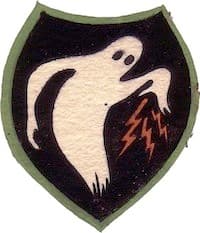
A Tribute to
The Ghost Army
MyHistoryStone Archive
1944 – 1945
Pine Camp, New York, United States · 1 year
Hometown
The Army Experimental Station
Location
From Normandy to the Rhine
In motion
3 photographs
The photographs on this page, brought to life.
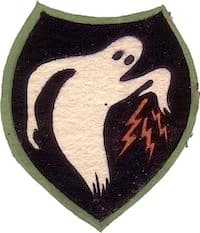
The unit's own informal patch: a ghost on a shield, carrying a lightning bolt. U.S. Department of Defense, Department of the Army, via Wikimedia Commons
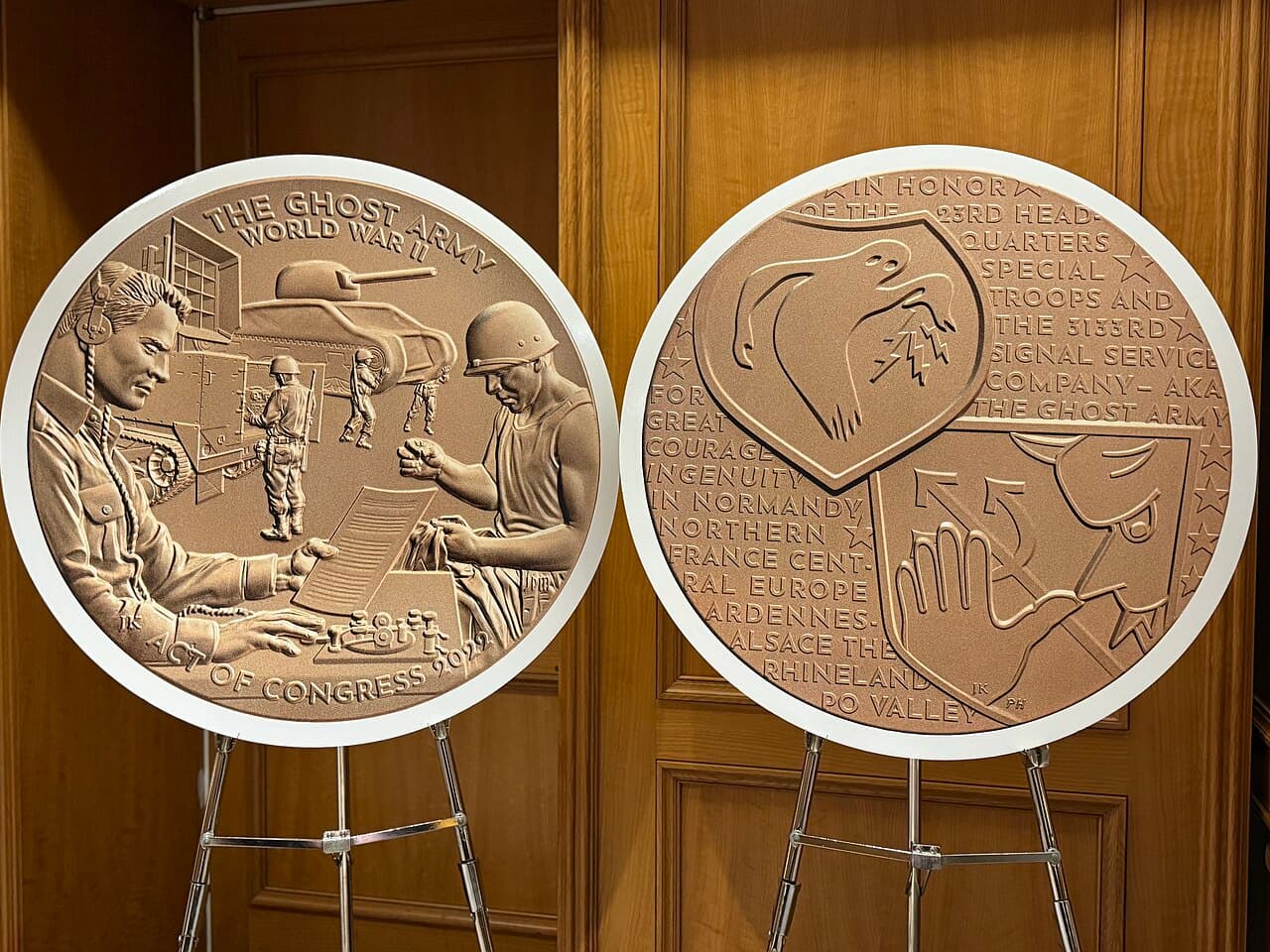
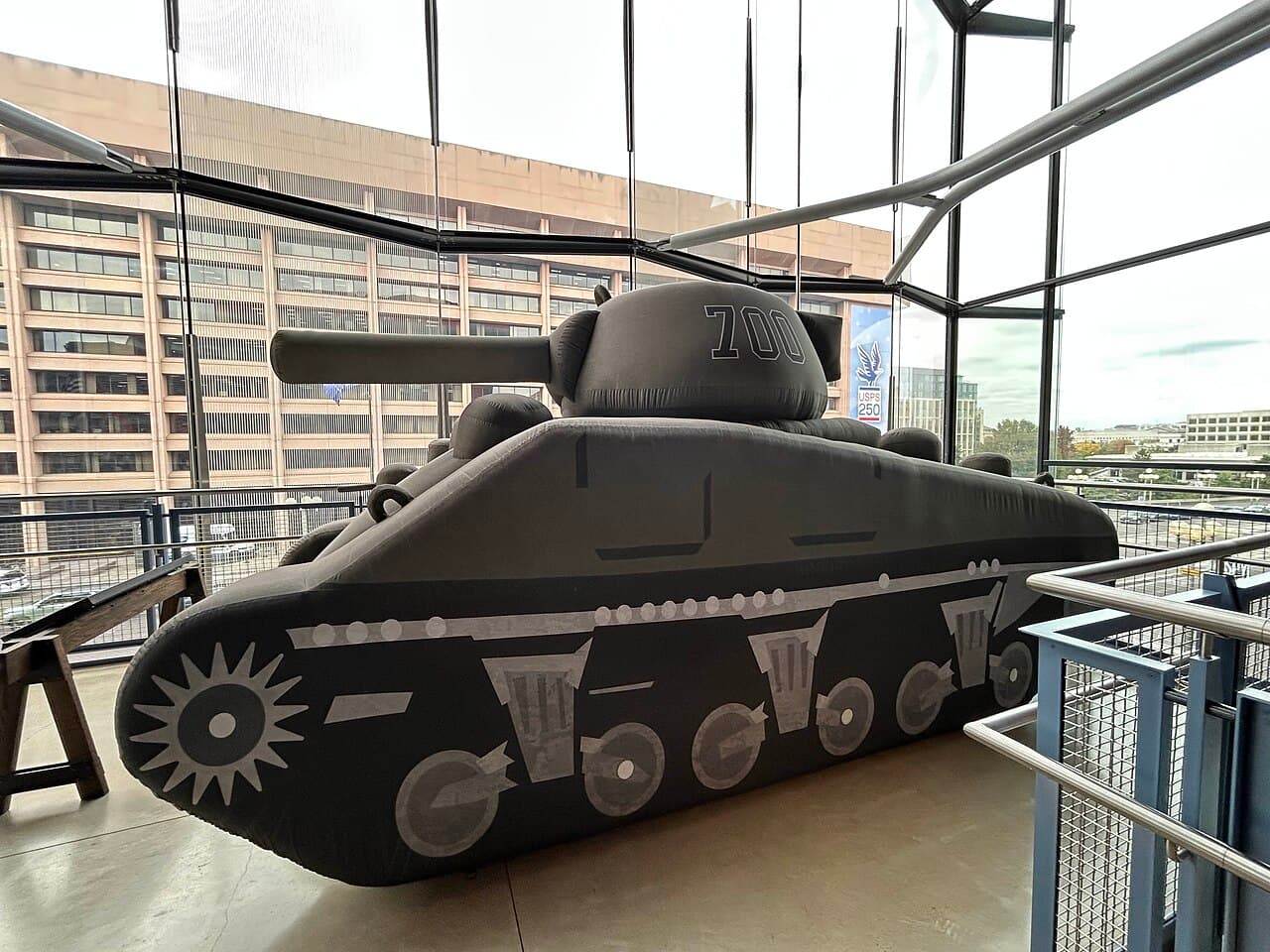
The Army recruited them out of art schools and advertising agencies, gave them inflatable tanks and a set of gramophone records, and sent them to impersonate whole divisions of the United States Army within earshot of the German lines. Then it classified the whole thing for forty years and most of them died without being able to tell anyone. The unit's real name was the 23d Headquarters Special Troops. It was activated on 20 January 1944 and it was made up of the 603d Engineer Camouflage Battalion, the 406th Combat Engineer Company, the 3132d Signal Service Company Special, and the headquarters company itself. A companion unit, the 3133d, worked in Italy. It began with one officer and fifty-seven enlisted men and peaked in France at eighty-two officers and 1,023 men, commanded by Colonel Harry L. Reeder. The 3132d and 3133d were formed at Pine Camp in New York, at the Army Experimental Station, in March and June of 1944, and the law that later honoured them calls them "the only 'sonic deception' ground combat units of the United States in World War II." Four of them landed on D-Day itself, creating false beach landing sites; two became casualties. A sixteen man detachment under First Lieutenant Bernard Mason reached Normandy on 14 June and put out dummy artillery to draw German fire away from a real field artillery battalion. The rest arrived in July and August. What they actually did came in four kinds and they used them together. They inflated tanks, artillery pieces, trucks and aircraft, and placed them where an army ought to be. They played sound: recordings made at Fort Knox with engineers from Bell Labs, broadcast from amplifiers on halftracks and audible up to fifteen miles away, of tanks moving and bridges being built. They ran spoof radio networks, so that a listening enemy heard the traffic of units that were not there; during the Battle of the Bulge they faked the radio signature of elements of Patton's Third Army while the real thing moved to relieve Bastogne. And they impersonated. In the words of the Act of Congress that honoured them, they "impersonated other, larger Army units by sewing counterfeit patches onto their uniforms, painting false markings on their vehicles, and creating phony headquarters staffed by fake generals, all in an effort to feed false information to Axis spies." How many deceptions they carried out is not agreed even now. The findings of the law say twenty-one full-scale tactical deceptions. The unit's own legacy project says approximately twenty-three documented operations. We have printed both. The last one was the largest. In March 1945, in Operation Viersen, they impersonated two complete American divisions with fabricated radio networks, recorded soundtracks of construction and artillery, and hundreds of inflatable and real vehicles, to draw German units down the Rhine and away from the Ninth Army so that it could cross into Germany. A post-war Army assessment quoted in the law says: "There is no doubt that Operation Viersen materially assisted in deceiving the enemy with regard to the real dispositions and intentions of this Army." Three of them were killed and dozens were wounded. Two of the dead are named in the unit's own history: Captain Thomas G. Wells and Staff Sergeant George C. Peddle, both killed on 12 March 1945. Now a figure we are not going to repeat as fact, because it is on every article about this unit and we could not find it anywhere real. It is said everywhere that the Ghost Army saved between fifteen thousand and thirty thousand lives. We went to the findings of Public Law 117-85 itself, which is where such a number would live if it were official, and the law says only that their work "saved lives and made significant contributions to the defeat of the Axis powers," and that their activities "were integral to several Allied victories across Europe and reduced casualties." No number. Not in the law, not in the reference works, not on the legacy project's own pages we could reach. The estimate may come from somewhere sound. We could not find where. What the law does say, and it is better than a number: "Rarely, if ever, has there been a group of such a few men which had so great an influence on the outcome of a major military campaign." The men themselves are the reason people love this story. The law records that many were "citizen-soldiers recruited from art schools, advertising agencies, communications companies, and other creative and technical professions." Bill Blass joined in 1943, served with the 603rd through the Bulge and the Rhine crossing, and afterwards built one of the great American fashion houses. Ellsworth Kelly asked specifically to be put in the 603rd, silk-screened posters teaching infantry the basics of camouflage before deployment, spent most of the war driving a truck, and said later that the camouflage work became part of his basic training as an artist. Art Kane had studied at Cooper Union before the war and became one of the defining photographers of fashion and music afterwards; the record calls the unit "an incubator for many young artists." The wildlife painter Arthur Singer was there too. Then they came home and could not say any of it. The findings of the law say the activities remained highly classified for more than forty years; other accounts say more than fifty, and give 1996 as the year it was declassified. We could not find who declassified it or under what authority. Either way, men who had spent the war doing something genuinely extraordinary spent the next four or five decades unable to explain to their families what they had done in it. The Congressional Gold Medal Act for the Ghost Army was introduced by Senators Ed Markey and Susan Collins and Representatives Annie Kuster and Chris Stewart, and became Public Law 117-85 on 1 February 2022. The medal was presented on 21 March 2024 in Emancipation Hall at the Capitol. Three surviving veterans were there: Bernie Bluestein, John Christman and Seymour Nussenbaum. Lieutenant Fred Fox's son, the Reverend Donald Fox, spoke, and said: "We're grateful for how the soldiers of the Ghost Army saved lives and changed lives." Seventy-eight years after the fact, and eighty years after four of them went ashore on D-Day to build a beachhead that was not there. If your father or grandfather was in the 603rd, the 406th, the 3132d or the 3133d, and never told you, we would like to put his name here. Compiled by MyHistoryStone from the findings of Public Law 117-85, the Ghost Army Congressional Gold Medal Act, as printed in the United States Statutes at Large, the Ghost Army Legacy Project's published unit history, and published biographical accounts of Bill Blass, Ellsworth Kelly and Art Kane.
Share a memory
Leave a memory or a message for the family. What you write appears right away, and the family can remove any entry.
Loading messages...