 Home
Home
In Memory of
Thomas Blind Tom Wiggins
MyHistoryStone Archive
1849 – 1908
Columbus, Georgia, United States · 59 years
Hometown
The Jones plantation, Harris County
Location
The concert circuit
In motion
5 photographs
The photographs on this page, brought to life.
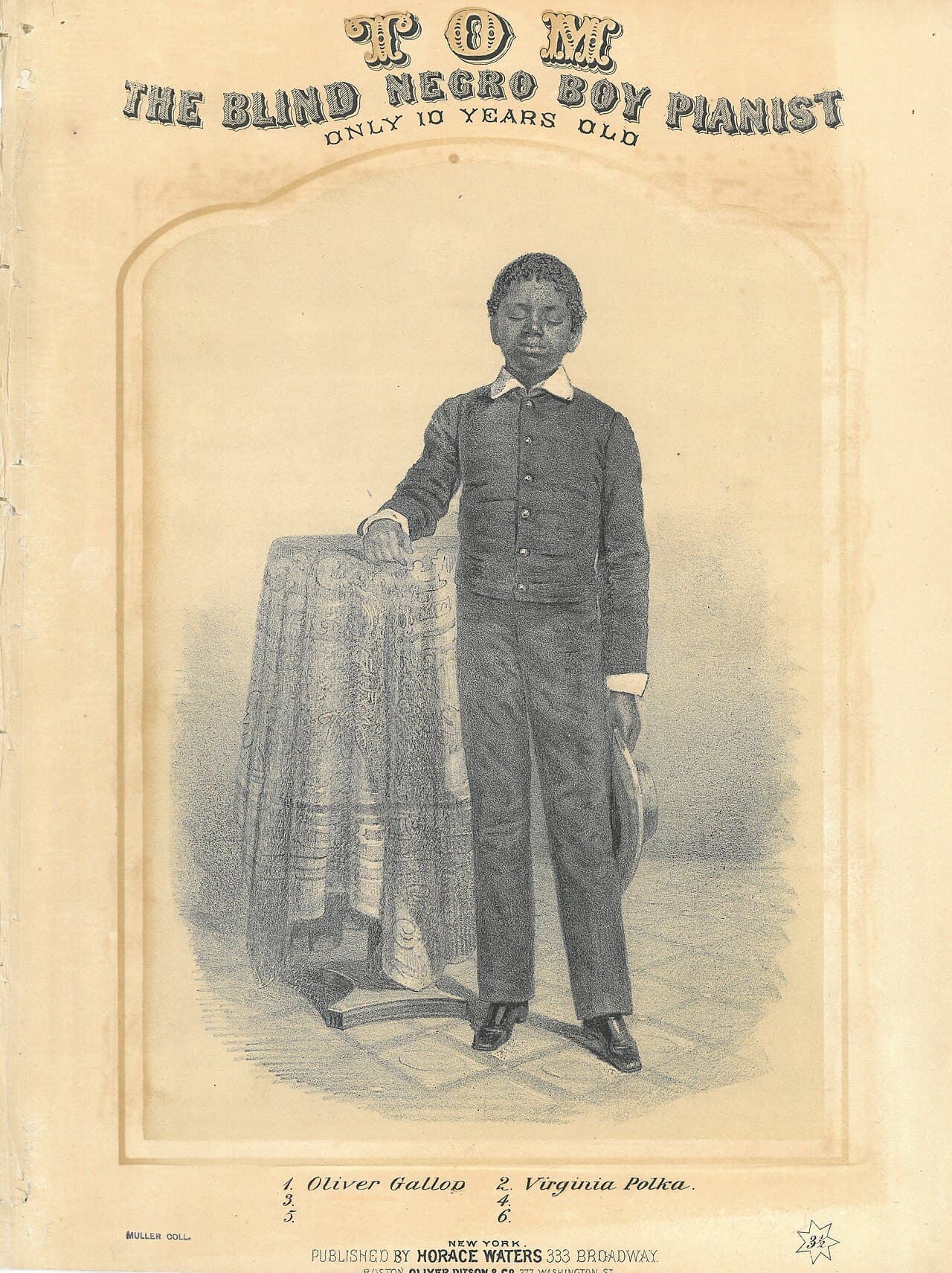
The 1859 sheet music cover: Tom, the Blind Negro Boy Pianist. He was ten years old. Unknown artist, via Wikimedia Commons
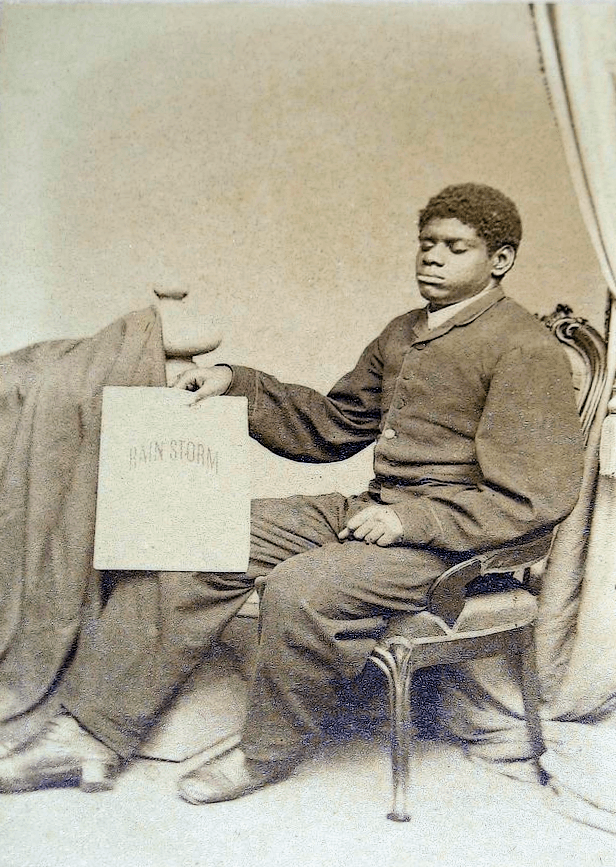
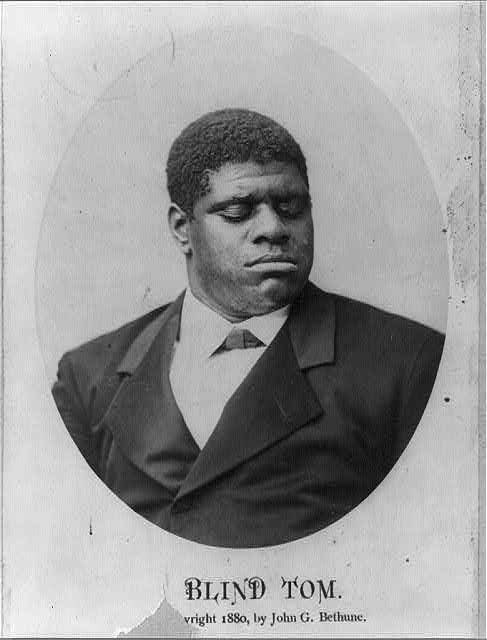
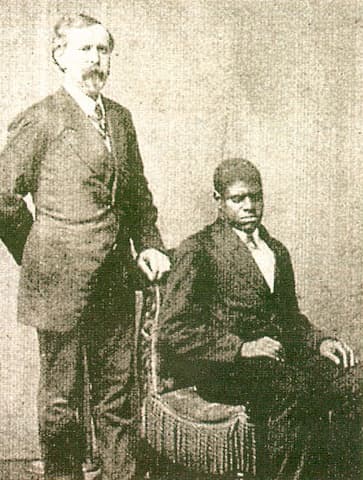
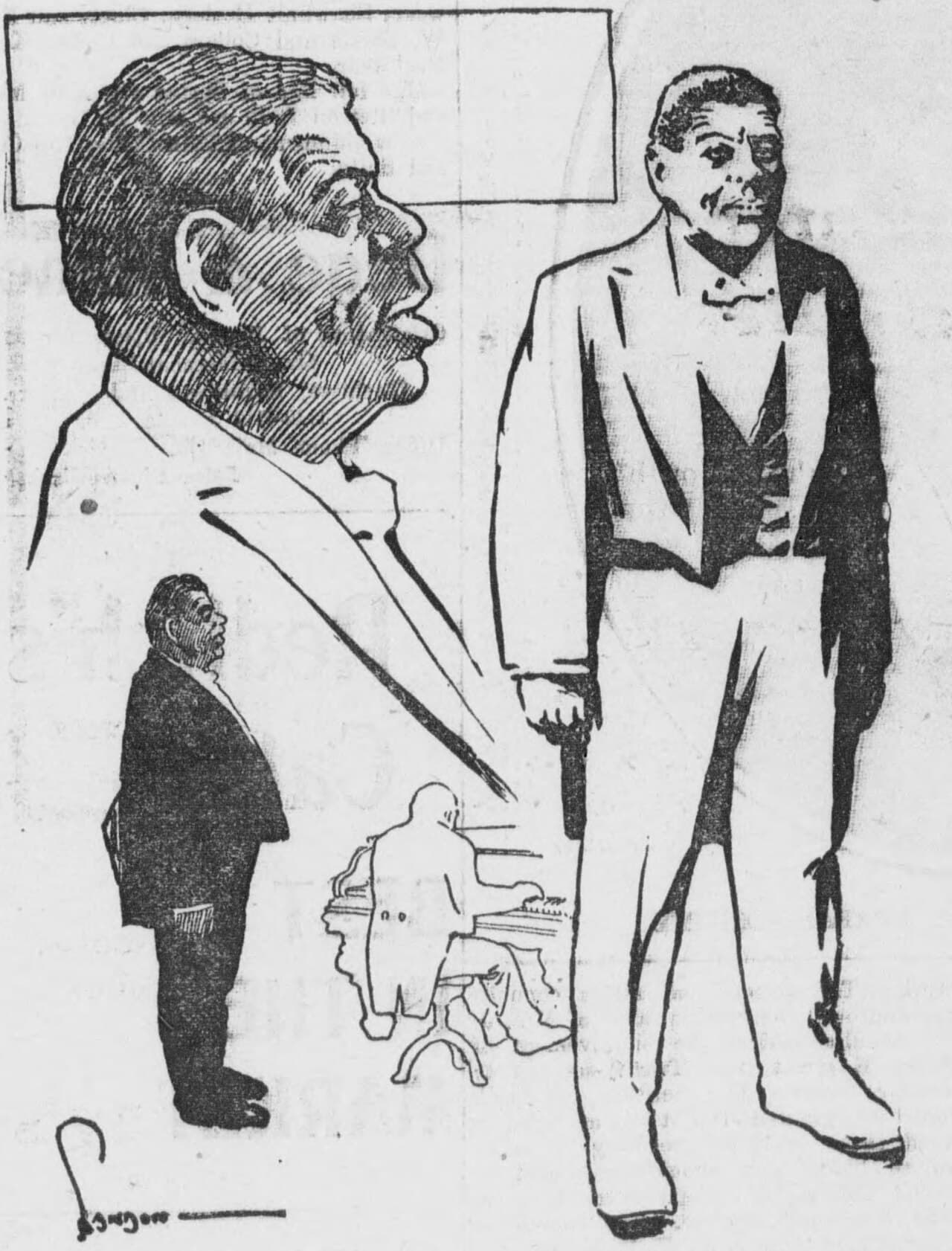
He was born blind and enslaved in Harris County, Georgia, and by the time he was eight years old other people were making money out of him. They did not stop for fifty years, and emancipation did not stop them either. Thomas Greene was born on 25 May 1849 on the plantation of Wiley Edward Jones. In 1850 he was sold along with his parents, Charity and Domingo Wiggins, to a Columbus lawyer named General James Neil Bethune. He was called Thomas Greene Bethune, Thomas Bethune and Thomas Wiggins at different times, by different people, for different reasons. His headstone says Thomas Greene Wiggins. The record says he had acquired some piano skill by ear by the age of four, and had composed a tune called The Rain Storm at about five, and both statements come with the word "reportedly" attached. What is described more concretely is that by four he could repeat conversations of up to ten minutes, while struggling to say what he himself needed. He spoke of himself in the third person: Tom is pleased to meet you. A doctor of the period recorded him as non compos mentis. He is now generally described as autistic, and we would rather say that plainly than repeat what the nineteenth century called him. From about eight he was hired out to a concert promoter named Perry Oliver and performed as often as four times a day. Oliver and Bethune are said to have made up to a hundred thousand dollars a year from him, which one account reckons at about a million and a half a year in modern money and calls him, on that basis, the most highly compensated pianist of the nineteenth century. The phrasing is careless. He was not compensated. The Bethune family fortune built on him is estimated at $750,000. What Tom himself received does not appear in any figure we could find. He is very widely said to have played at the White House for President Buchanan in 1860, and to have been the first African American to perform there. We looked for the evidence and did not find any: no date within the year, no contemporary press account, no White House record, and no named witness. It is stated as fact in the reference works and rests on nothing we could reach. It may be perfectly true. We are telling you what is behind it, which is nothing so far. His repertoire is given as seven thousand pieces, and that figure too comes with the word "reported" and no source. What is better attested is the shape of what he could do: reproduce a piece faithfully, often after hearing it once. The showman's version of that, which was sold to audiences, had him stand on one foot, pull his hair and knock his head against the wall before sitting down to play. Willa Cather, who saw him, called him "a human phonograph, a sort of animated memory, with sound producing power." Critics who did not care for him called him a human parrot. He composed. His best known piece is The Battle of Manassas, written in 1861, a piano depiction of the Confederate victory at Bull Run, composed by an enslaved child about a battle fought to keep him enslaved. Other works of his were published under invented names, including Professor W. F. Raymond, J. C. Beckel, C. T. Messengale and Francois Sexalise, and the record says this was done at Tom's own insistence, which is a strange and interesting thing that nobody has explained. In 1866 General Bethune took him to Europe, aged about sixteen, and came back with testimonials from Ignaz Moscheles and Charles Hallé. Then comes the part that matters most, and it is why this page is here rather than in a book of curiosities. The Thirteenth Amendment did not free Thomas Wiggins in any way that made a difference to his life. Control of him simply moved from ownership to guardianship. In 1875 the General's son John Bethune took over managing him. In 1882 John married his landlady, Eliza Stutzbach. In 1884 John died in a railway accident and Tom went back to the General. Eliza sued for custody, and had Tom's elderly mother Charity joined to the case by her attorney to strengthen it. After a protracted fight through several courts, in August 1887 Tom was awarded to Eliza. And then, in the record's own flat words, "after it became apparent that Eliza did not intend to honor any financial obligations to Charity, Tom's mother returned to Georgia." His mother was used to win him and discarded once he was won. He was taken off the concert circuit in the mid 1890s during further challenges to Eliza's custody. In 1889 he was rumoured, falsely, to have died in the Johnstown Flood, and the rumour stuck hard enough that some people afterwards doubted whether the man appearing as Blind Tom was the real one. He had what was described as partial paralysis in December 1904, which ended his performing, and a major stroke in April 1908. He died on 14 June 1908, aged fifty-nine. Where he is buried is not settled. The published accounts say the Cemetery of the Evergreens in Brooklyn. The Georgia Historical Commission marker at Midland, in Muscogee County, erected in 1954, says: "200 feet east is the grave of Thomas Wiggins, (1843-1908)." That marker also gives his birth year as 1843, six years earlier than every other source. So the state of Georgia put up a sign pointing at his grave with the wrong birth year on it, and the reference works put him in New York, and one of them is wrong. In 1976 people in Columbus, Georgia raised a headstone for him. In 1999 the pianist John Davis recorded an album of his compositions. Geneva Handy Southall published a three volume study in 2002 after thirty years of research, Deirdre O'Connell a biography in 2009, and Tyehimba Jess wrote him into the poems of Olio in 2016. There are no recordings of him. There could not be; he stopped playing before the technology arrived that could have caught him. If your family holds sheet music published under any of those invented names, or a programme, or a memory handed down of hearing him, we would like it here. Almost everything written about this man in his lifetime was written by people selling tickets to him. Compiled by MyHistoryStone from published biographical accounts of Thomas Wiggins, Library of Congress catalogue records for the 1860 lithograph sheet music cover and the circa 1880 portrait, and the Georgia Historical Commission marker at Midland and the marker at Columbus, Georgia.
Share a memory
Leave a memory or a message for the family. What you write appears right away, and the family can remove any entry.
Loading messages...