 Home
Home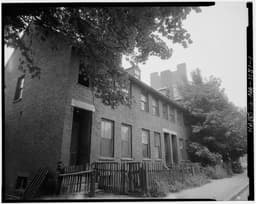
A Tribute to
The Lowell Mill Girls
MyHistoryStone Archive
1823
Lowell, Massachusetts, United States
Residence
The company boardinghouse, six to a room
Worked At
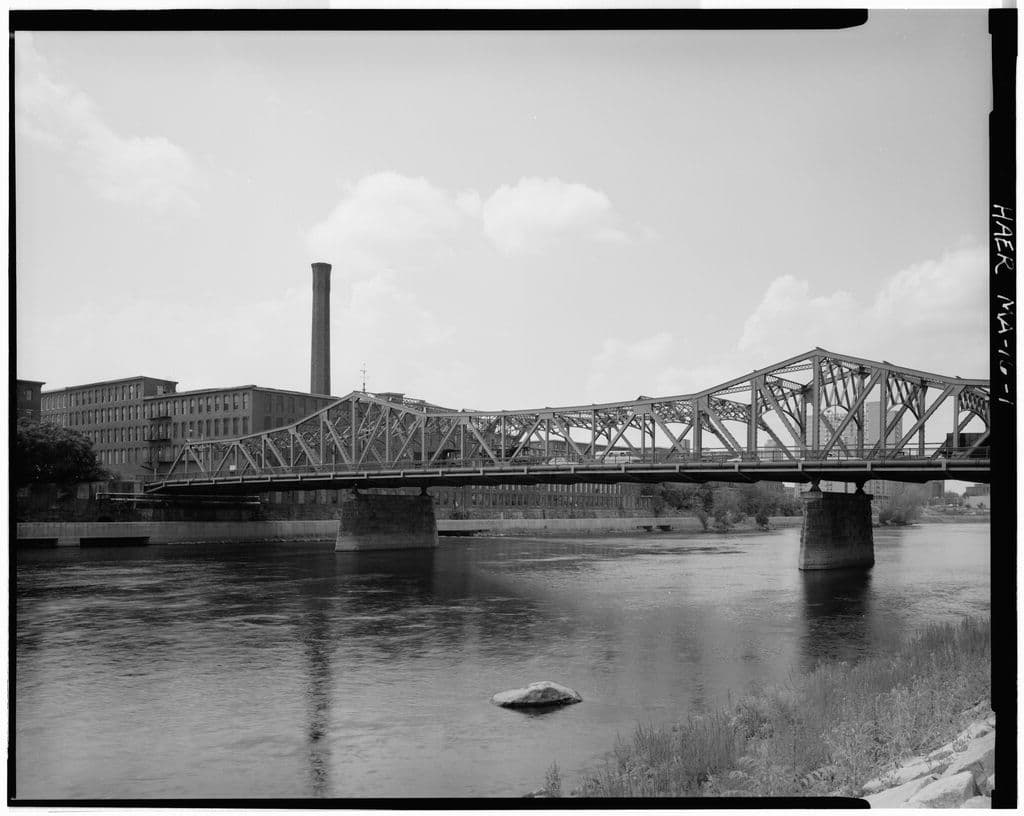
The Boott and Merrimack mills
In motion
5 photographs
The photographs on this page, brought to life.
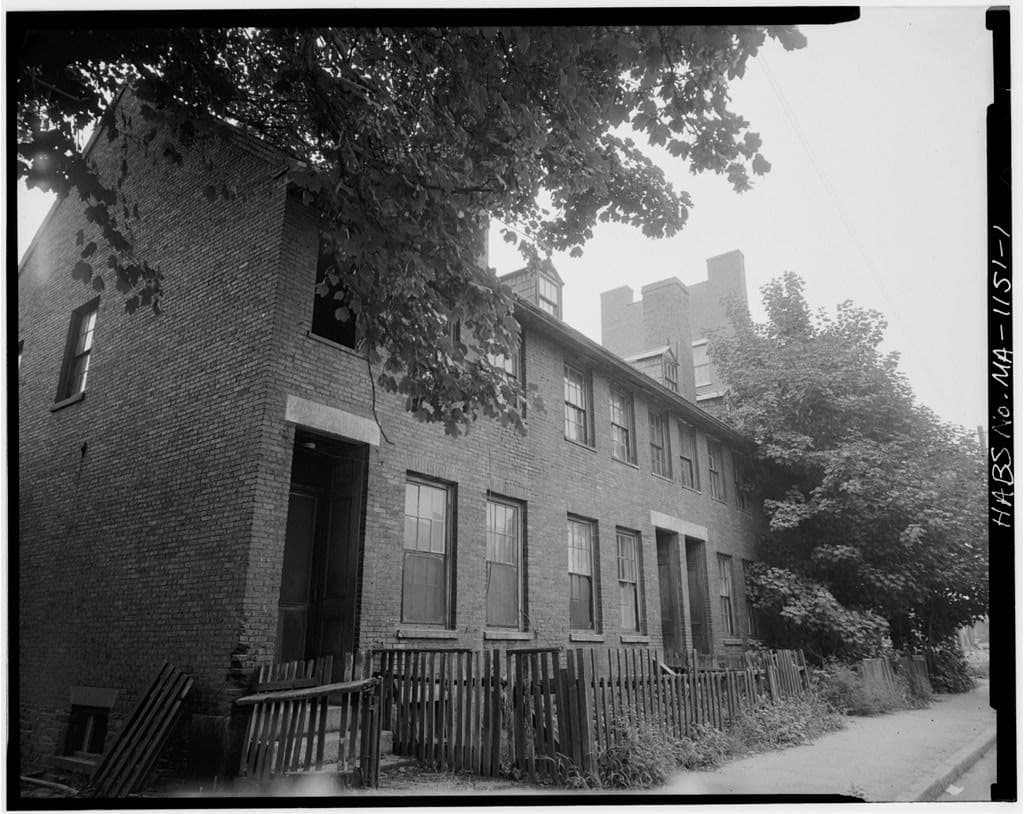
A company boardinghouse on Dutton Street. The survey says young female mill workers were the standard occupants. Historic American Buildings Survey, Library of Congress
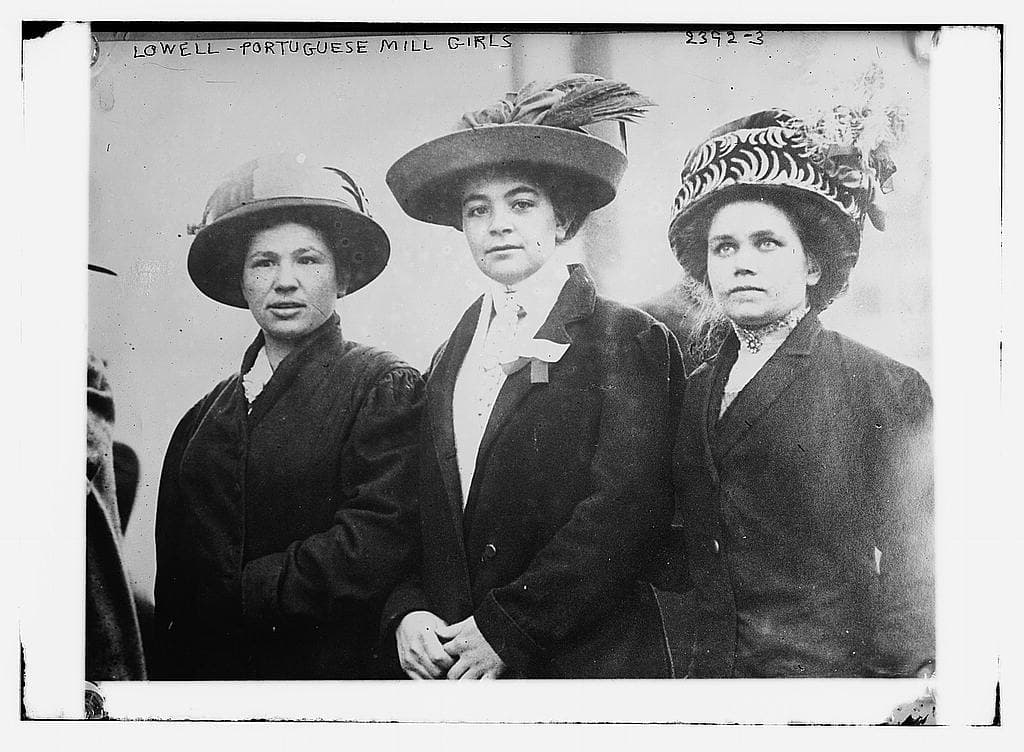
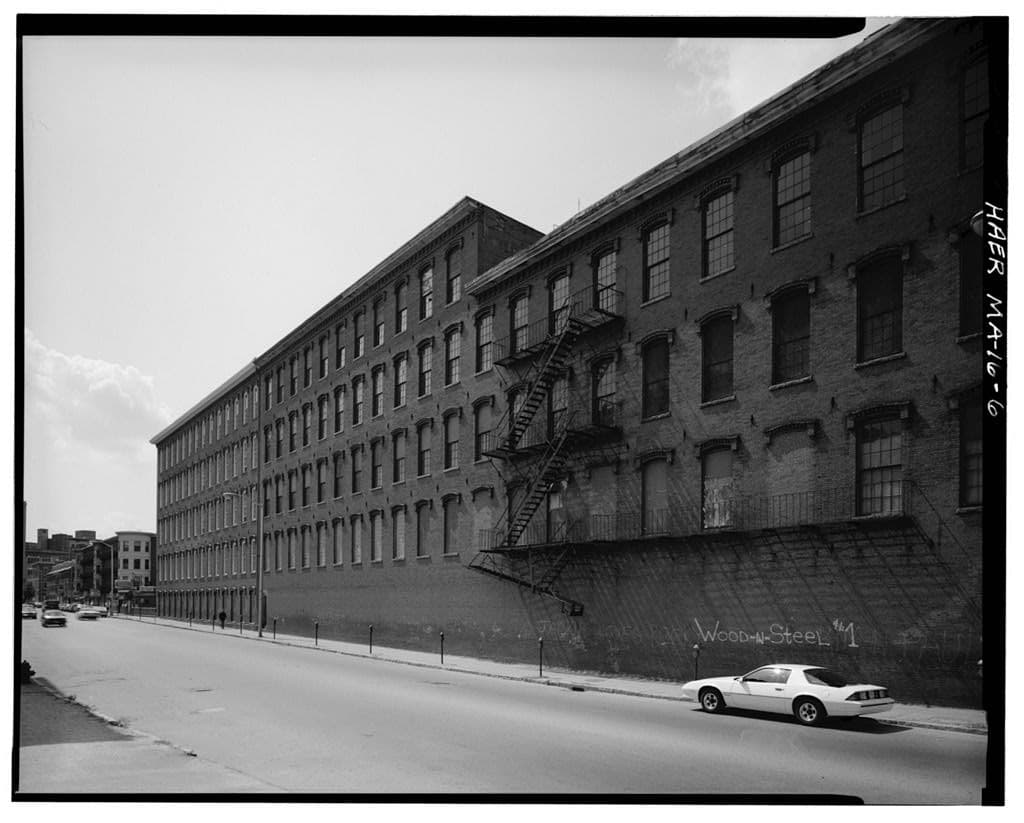
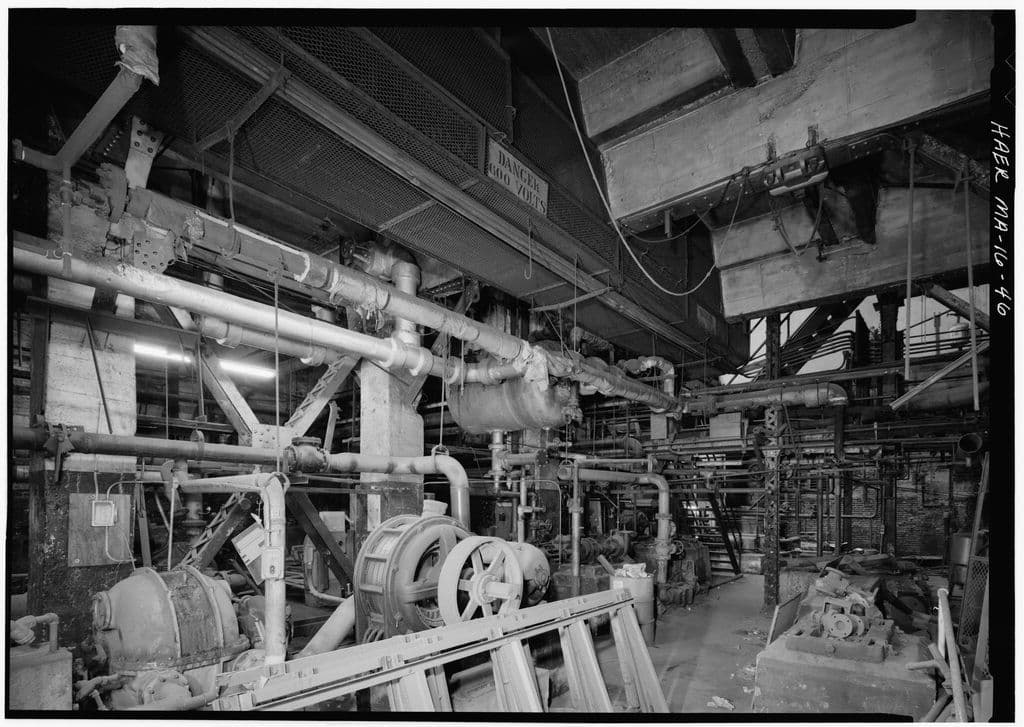
They were farm girls, most of them between fifteen and thirty-five, and they went to Lowell because it was the only place in America where a woman could earn her own money. They worked seventy-three hours a week to do it. And in 1840 they started a literary magazine. Lowell was built as an experiment, and its promoters said so. It was meant to prove that America could have factories without producing an English industrial underclass, by recruiting respectable unmarried farm women, housing them in supervised boardinghouses, and sending them home again after a few years. Francis Cabot Lowell is named as the founder. By 1840 the mills employed over eight thousand people and women were nearly three quarters of them. The terms are worth setting out exactly, and the sources do not agree on them. Wages are given as three to five dollars a week, elsewhere as three to four, and by the Park Service's own published history as $2.25 to $4.25. A named worker, Mary A. Paul, expected about two dollars a week in 1846. Whatever the figure, it was about half of what men earned. Board was deducted at between seventy-five cents and $1.25 a week. The day ran from five in the morning to seven at night, with thirty minutes for breakfast and forty-five for lunch. That is seventy-three hours a week by one reckoning and a flat twelve hour day, six days a week, by another. The youngest workers, the doffers who changed the bobbins, were ten to fifteen years old and averaged fourteen hours a day. The workday was cut by half an hour in 1847 and to eleven hours in 1853. About twenty-six women lived in each boardinghouse, up to six to a bedroom, usually run by a widow. Curfew was ten o'clock. Men were generally not allowed inside. Church attendance was compulsory. The work itself was eighty women to a room with two male overseers. The windows were kept shut in summer despite the heat, because the threads broke in dry air. The air carried thread and cloth particles. The noise is described in the record, in its own words, as "something frightful and infernal." Now the thing that makes this page worth writing. In October 1840 the mill workers began publishing their own literary magazine, the Lowell Offering, written by the women who worked in the mills. It ran until 1845 and was revived as the New England Offering from 1848 to 1850. Harriet Farley and Harriot F. Curtis edited it. Contributors included Lucy Larcom, Harriet Hanson Robinson, Betsey Guppy Chamberlain, Eliza G. Cate, Abba Goddard and Augusta Harvey Worthen. It had subscribers across New England and readers abroad. And it was contested at the time, which is the part that usually gets left out. The corporations loved it. In the record's own words, they "happily publicized the efforts of these 'literary mill girls', boasting that they were the 'most superior class of factory operative', impressing foreign visitors. But this masked the bitter opposition." Britannica says the Offering's focus on respectability "led it to avoid discussing labor issues like hours and wages," and that rising labour unrest and criticism contributed to its closing. So it is both things at once: a genuine literary magazine written by working women, and a public relations asset that could not print the one subject its writers knew best. Charles Dickens came in 1842 and wrote about the workers, though not about the magazine: "I cannot recall or separate one young face that gave me a painful impression; not one young girl whom, assuming it to be a matter of necessity that she should gain her daily bread by the labour of her hands, I would have removed from those works if I had had the power." Harriet Martineau visited in 1844 and wrote: "I saw no signs of weariness among any of them. There they sat, row behind row... all wakeful and interested, all well-dressed and ladylike." A worker signing herself only Juliana answered her in the Voice of Industry: "Very pretty picture... but we who work in the factory know the sober reality to be quite another thing altogether." That exchange is the whole argument about Lowell, conducted in public, by the people it was about. They also walked out. In February 1834 the directors proposed cutting wages by 12.5 percent, and the women turned out and withdrew their savings in a body, causing runs on the banks. It failed; most were back within days at the lower rate or had left town. William Austin, agent of the Lawrence Manufacturing Company, called it "a spirit of evil omen." In 1836 the corporations raised the boardinghouse charges, and over fifteen hundred walked out, nearly double the first time. That one lasted weeks and the rent rise was rescinded. Harriet Hanson Robinson was eleven years old in 1836, a doffer earning two dollars a week. She said, when the older women in her room hesitated: "I don't care what you do, I am going to turn out, whether any one else does or not." She walked out first and the room followed her. She wrote decades later that she had only later understood she had hurt her own mother, who ran a boardinghouse and lived on the fees. Then it got organised. Sarah Bagley, born in Candia, New Hampshire in 1806, came to Lowell in 1837 and founded the Lowell Female Labor Reform Association, in December 1844 by one account and January 1845 by another, with either five other women or twelve. Membership reached five hundred within six months, or nearly six hundred, with branches in Waltham, Fall River, Manchester, Dover and Nashua. It elected its own officers, ran fairs and parties, petitioned the legislature for a ten hour day, and Bagley edited the women's column of the Voice of Industry. In 1845 the Massachusetts legislature investigated, on petitions carrying over twenty-one hundred signatures. The committee was chaired by William Schouler, the representative from Lowell. Bagley testified about the hours and the conditions. The legislature declined to act, saying it had no authority over hours of work. The association called Schouler a tool and campaigned against him, and he lost his seat, and won it back the next year. That investigation is widely called the first inquiry into labour conditions by a governmental body in the United States, and we should tell you that the claim rests on the encyclopedia's own wording with no primary source attached to it. What ended the system was not the strikes. By the 1850s and 1860s the mills could not recruit enough Yankee farm women, and survivors of the Irish Famine were taken on to fill the gap, then French Canadians after the war. The boardinghouse experiment ended because there was cheaper labour. Lowell National Historical Park was established on 5 June 1978. The Boott Cotton Mills Museum on John Street still runs more than eighty power looms from the 1920s, weaving cloth. A marker at an 1837 boardinghouse block puts it plainly: "Dozens of company-owned boardinghouses served as home for the thousands of young, single women, Lowell's 'mill girls'." If your family has a copy of the Lowell Offering, or a letter home from a mill girl, or a name, we would like to add it here. They wrote a great deal down, which is rarer than it should be. Compiled by MyHistoryStone from the National Park Service at Lowell National Historical Park and its published administrative history, Britannica, published accounts of the Lowell Offering, the Lowell Female Labor Reform Association, Sarah Bagley, Harriet Hanson Robinson and Lucy Larcom, and historical marker inscriptions in Lowell, Massachusetts.
Add to this story
Know something about The Lowell Mill Girls? Add it here - a memory, a detail, a correction. What you write appears right away, and the page owner can remove any entry.
Loading messages...