 Home
HomeThe Green Book

A Tribute to
The Negro Motorist Green Book
MyHistoryStone Archive
1936 – 1966
New York, New York, United States · 30 years
Location
Harlem, New York City
Worked At
Victor H. Green and Company
In motion
5 photographs
The photographs on this page, brought to life.
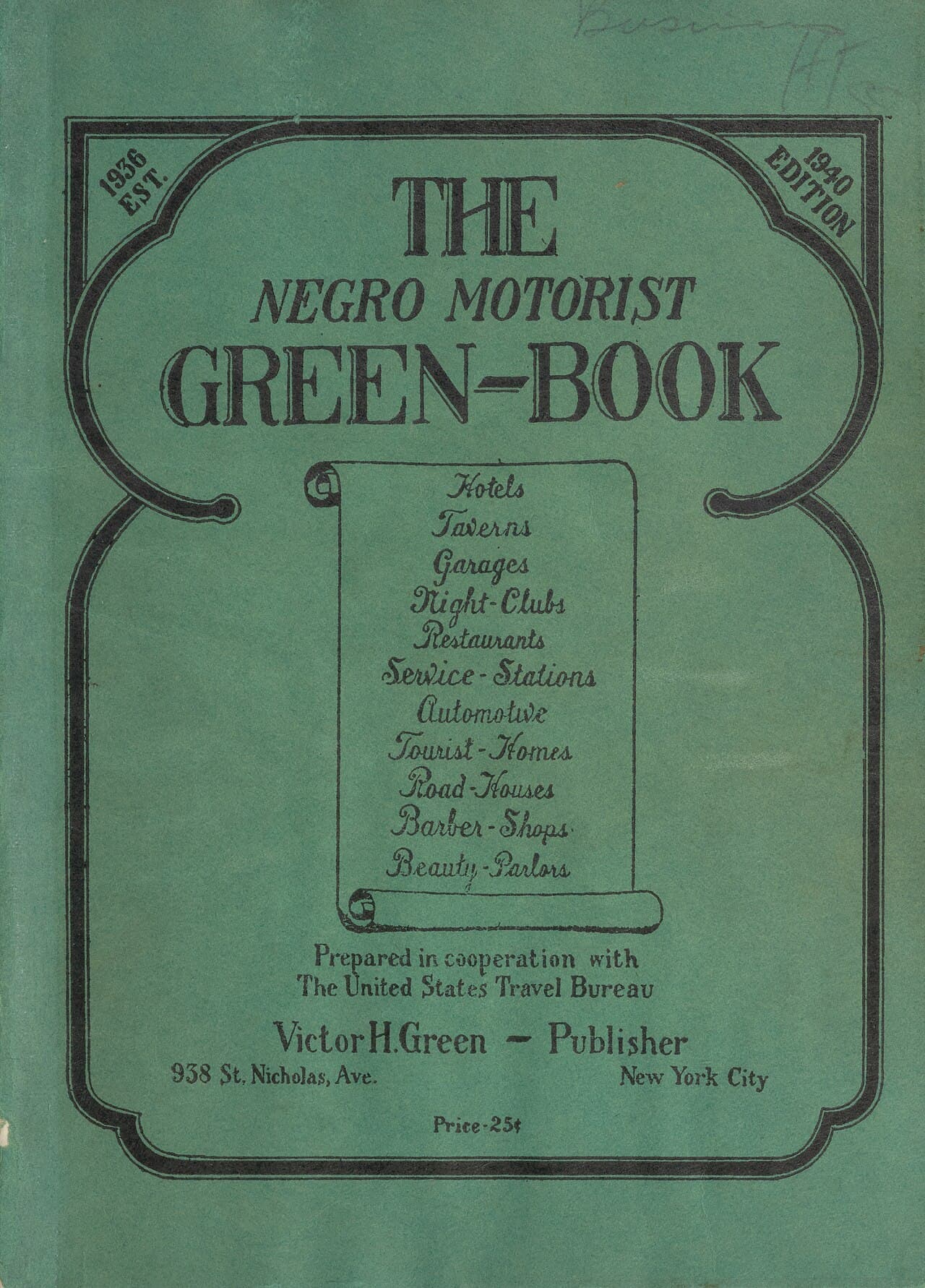
The cover of the 1940 edition, scanned from the New York Public Library copy. Victor Hugo Green, 1940. Public domain, via Wikimedia Commons.
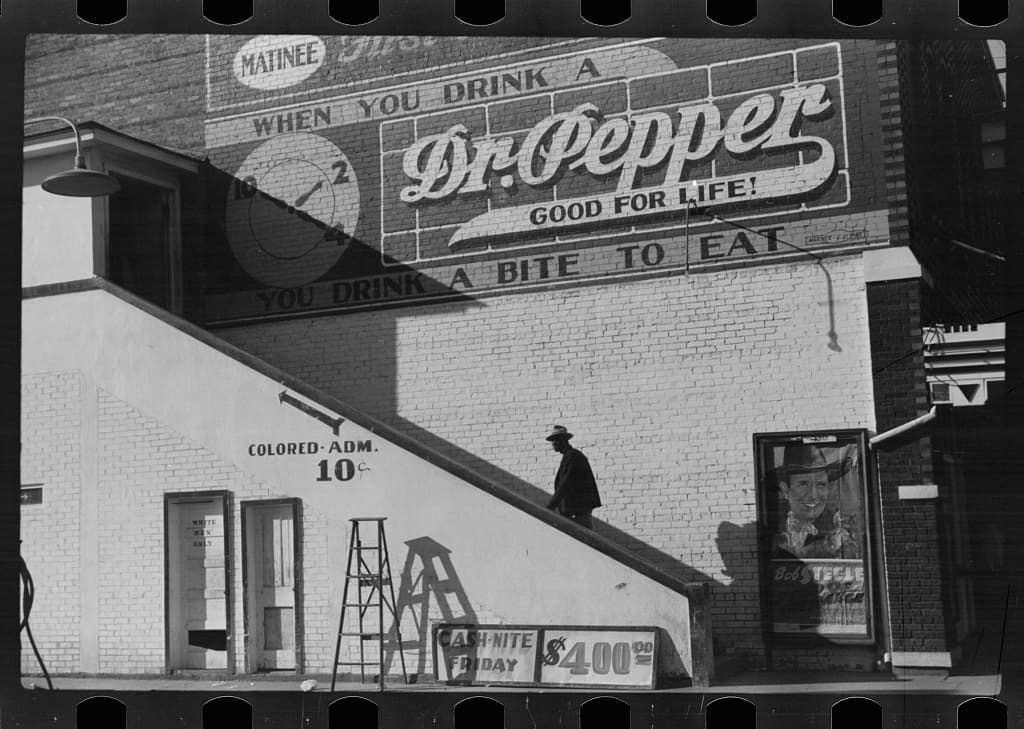
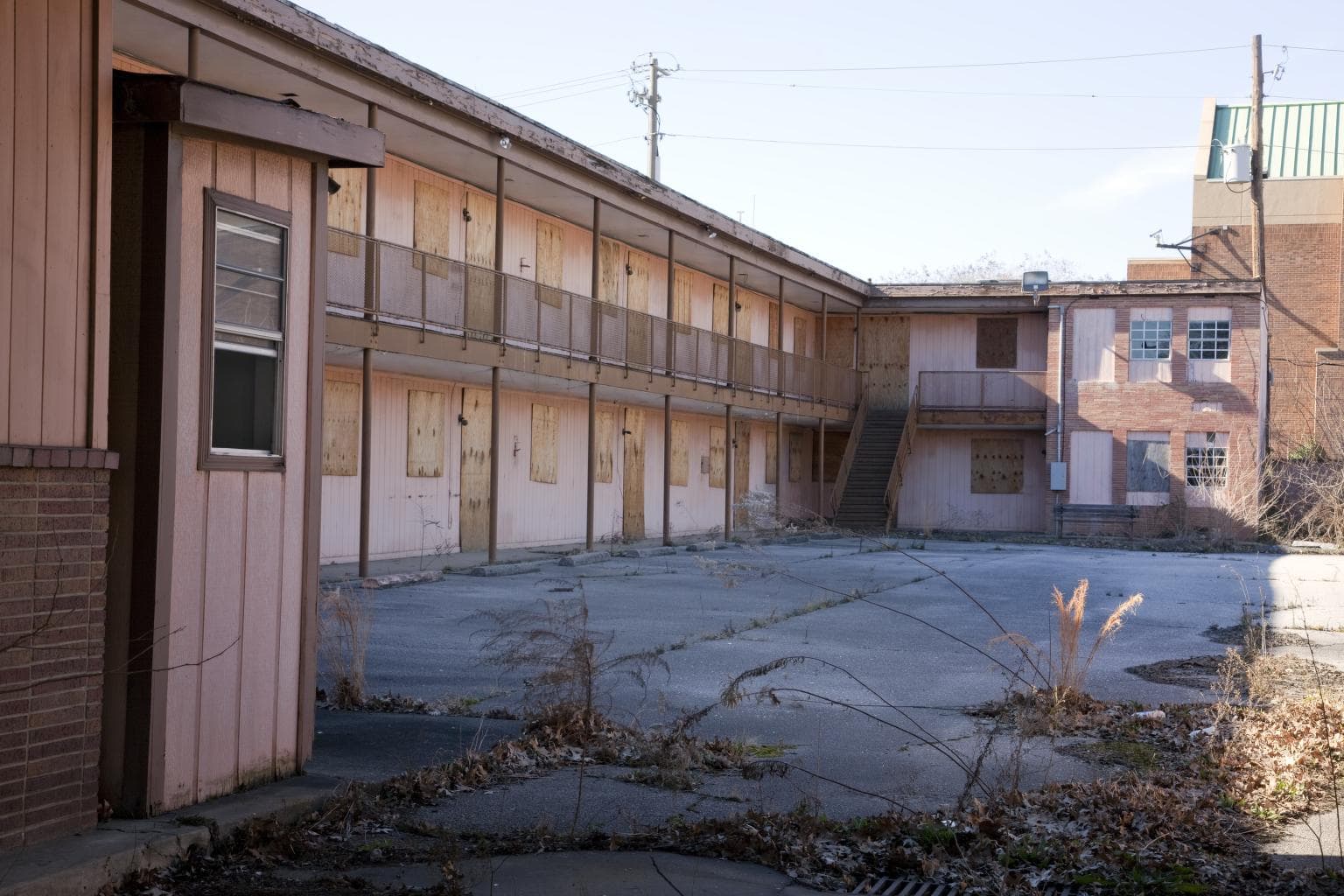
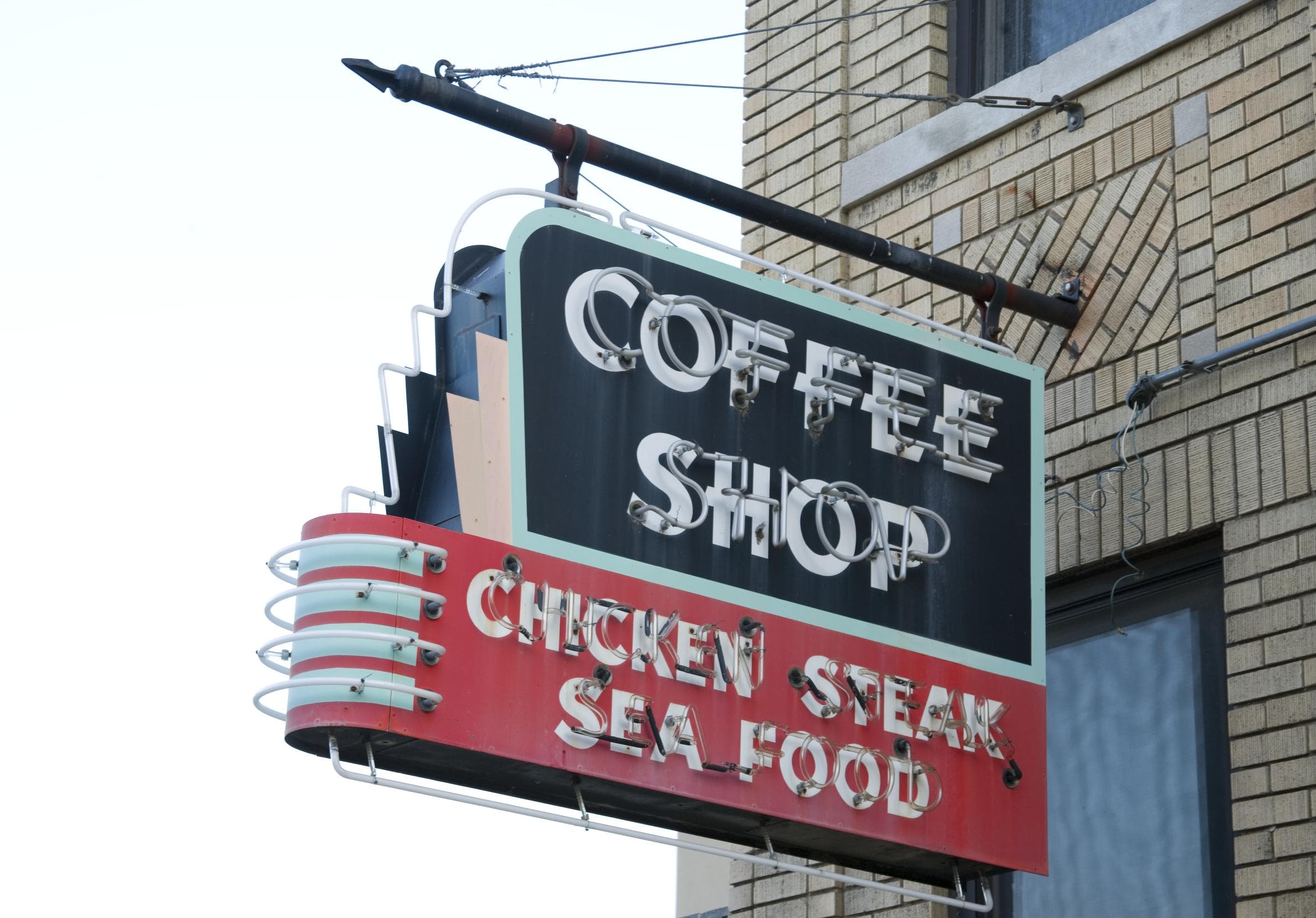
The man who published the guide wrote that he was waiting for the day it would not have to exist. Victor Hugo Green was born in Manhattan on 9 November 1892, spent his childhood in Hackensack, New Jersey, and went to work for the Post Office in 1913 carrying mail in Bergen County. He is called a Harlem postman almost everywhere, and he did live in Harlem, at 580 St. Nicholas Avenue, but the record we could reach puts his route across the river in New Jersey. He married Alma S. Duke, of Richmond, Virginia, in Brooklyn on 8 September 1917. The first edition is usually dated 1936 and covered only the New York City area. The Smithsonian, however, dates the first edition to 1937 and describes the run as annual from 1937 to 1964. Every figure in circulation for that first edition, sixteen pages and twenty-five cents, is attached by the sources we reached to the 1937 book. Not one of them gives a page count or a price for a 1936 edition. We are printing that as the state of the record rather than choosing. It grew. By 1949 it ran to more than eighty pages including advertisements, and by 1957 it cost a dollar and twenty-five cents. Publication was suspended during the Second World War and resumed in 1946, which is confirmed by the shape of the digitised runs, which jump from 1941 to 1947. In 1952 it was renamed the Negro Travelers' Green Book to take in destinations that required a plane or a ship. The last edition was titled the Travelers' Green Book: 1966-67 International Edition: For Vacation Without Aggravation. Its circulation is one of the strangest gaps in the record. The figure everyone repeats is fifteen thousand copies, given as per year in one place and per edition in another, always hedged with eventually or in its heyday, and traced by nobody we could reach to a print run or an audited number. The Smithsonian, meanwhile, states that under a distribution agreement with Standard Oil, Esso service stations sold two million copies a year by 1962. The two figures are a factor of about a hundred and thirty apart and no source attempts to reconcile them. What it listed is not in doubt, because the books survive. The cover of the 1941 edition, forty-eight pages, seven inches by five, in the collection of the National Museum of African American History and Culture, lists its own categories: hotels, taverns, night clubs, restaurants, service stations, tourist homes, road houses, barber shops, beauty parlors. A tourist home was a private house, usually owned by a Black family, that took in travellers. In North Carolina the guide named the Carver, Lincoln and Booker T. Washington hotels, the Friendly City beauty parlor, the Black Beauty Tea Room, the New Progressive tailor shop, the Big Buster tavern and the Blue Duck Inn. In Pittsburgh's Hill District it named more than thirty businesses, among them the Terrace Hall Hotel, the Palace Hotel, the Harlem Casino, the Centre Avenue YMCA, and two Black-owned Esso stations, Scotty's Garage and Hawthorne's. In New England it named Camp Twin Oaks in Duxbury, the Western Lunch Box and Slade's in Boston, Hempstead Cottage in New London, the Pates Hotel in Burlington, the Thomas Tourist Home in Portland and the Biltmore in Providence. For holidays it pointed people at Idlewild in Michigan, Oak Bluffs on Martha's Vineyard, and Belmar on the Jersey shore. The Esso connection ran through a man named James A. Jackson, a pioneering Black sales representative the company's own people called the Esso Man. Esso's marketing to Black customers promoted the guide as a way to go further with less anxiety, and more than a third of Esso stations were franchised to African Americans, which was unusual in the oil business. Jackson is the person who presented the Smithsonian its 1941 copy. The danger the book was answering is harder to count than the copies. One estimate puts the number of sundown towns at ten thousand by the end of the 1960s; James Loewen, whose own encyclopedia entry is the source usually behind that figure, writes only that there were thousands, and that by 1970 more than half of all incorporated communities outside the traditional South probably excluded African Americans. He records a Black traveller being told not to let the sun set on him in Mena, Arkansas. Contemporary accounts describe families carrying buckets or portable toilets in the trunk because service station bathrooms were closed to them, and the standing advice to drive under the speed limit but not so far under as to attract attention. We could find no source that quantifies how many Black motorists were assaulted, arrested or killed in these years. That absence is part of the point. Green's own sentence is the reason people remember him, and its provenance is thinner than its fame. In full it reads: There will be a day sometime in the near future when this guide will not have to be published. That is when we as a race will have equal opportunities and privileges in the United States. It will be a great day for us to suspend this publication for then we can go as we please, and without embarrassment. One reproduction has wherever we please rather than as we please. No source we reached cites the edition and page it came from; the citation trail runs to a scholarly essay, not to a Green Book. Victor Green died in Manhattan on 16 October 1960. His wife Alma, who had already edited the guide for several years, ran it until 1966. The Civil Rights Act of 1964 is what ended it, which is exactly what he said he wanted. What is left is going fast. The Park Service reported in May 2022 that less than twenty percent of the listed sites are still standing, and had identified about twenty individual properties on the National Register, among them the Hotel Theresa in Harlem, the A. G. Gaston Motel in Birmingham, the Lorraine Motel in Memphis, the Harriet M. Cornwell Tourist House in Columbia, Winks Panorama in Colorado, Cummings' Guest House in Old Orchard Beach, and the Apollo Theater. A 2025 survey put the share still operating below five percent. Candacy Taylor has catalogued more than eleven thousand listings and nearly seven thousand sites across forty-eight states. The New York Public Library has digitised the editions and put them online, which is why any of this can be checked at all. If a business in your family was in the Green Book, or your family drove with one on the seat, that is the record this page is missing, and we would like to add it. Compiled by MyHistoryStone from the National Park Service list of Green Book properties on the National Register, the Smithsonian National Museum of African American History and Culture object record for the 1941 edition, the Smithsonian National Museum of American History, the Encyclopedia of Arkansas entry on sundown towns, the University of Michigan Automobile in American Life project, the National Bureau of Economic Research study of the guide's listings, the Heinz History Center, and the New York Public Library's digitised run.
Add to this story
Know something about The Negro Motorist Green Book? Add it here - a memory, a detail, a correction. What you write appears right away, and the page owner can remove any entry.
Loading messages...