 Home
Home
In Memory of
Annie Jump Cannon
MyHistoryStone Archive
1863 – 1941
Dover, Delaware, United States · 78 years
Hometown
Dover, Delaware
Location
Harvard Observatory
In motion
4 photographs
The photographs on this page, brought to life.
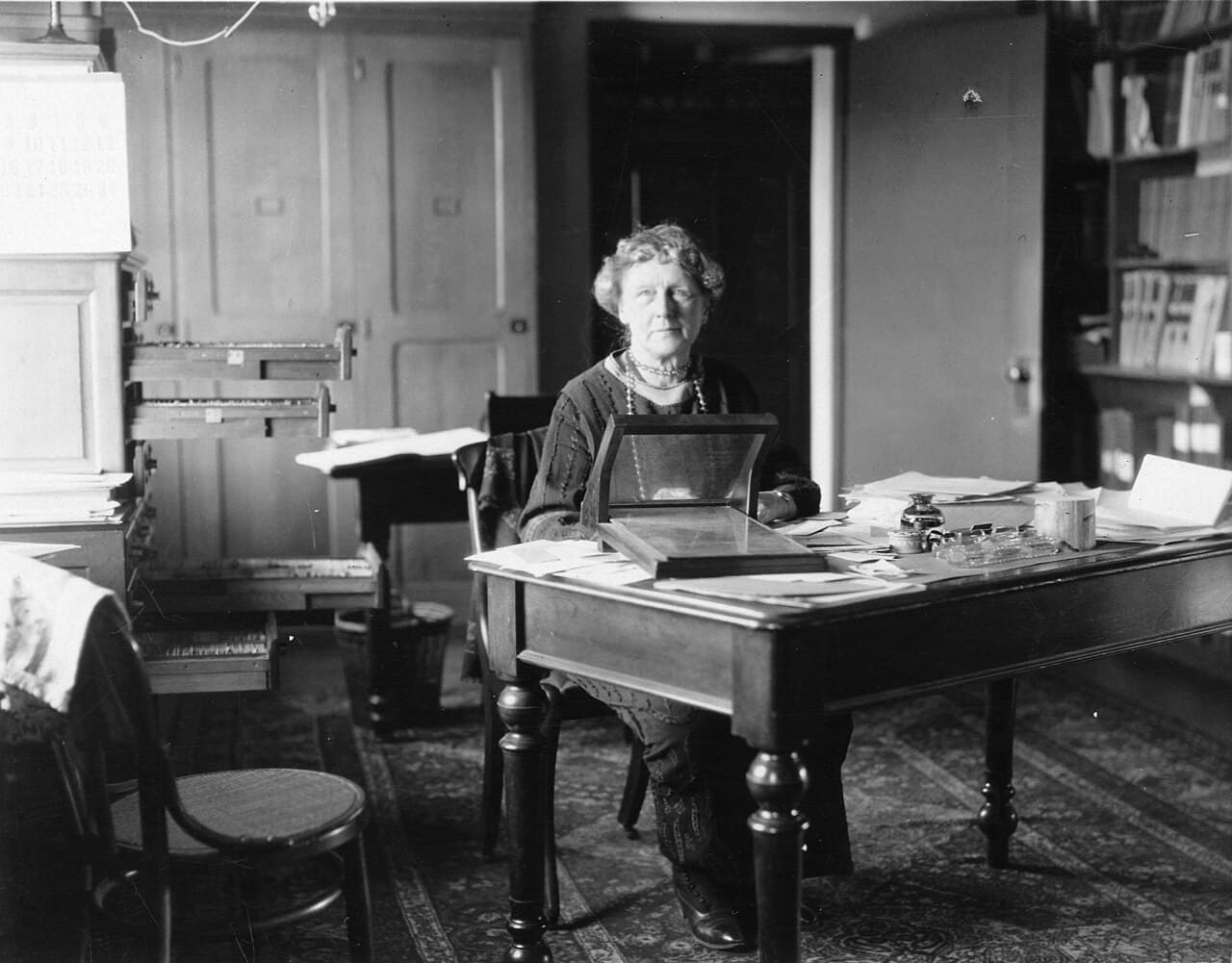
Annie Jump Cannon at her desk at the Harvard College Observatory. Smithsonian Institution, via Wikimedia Commons.
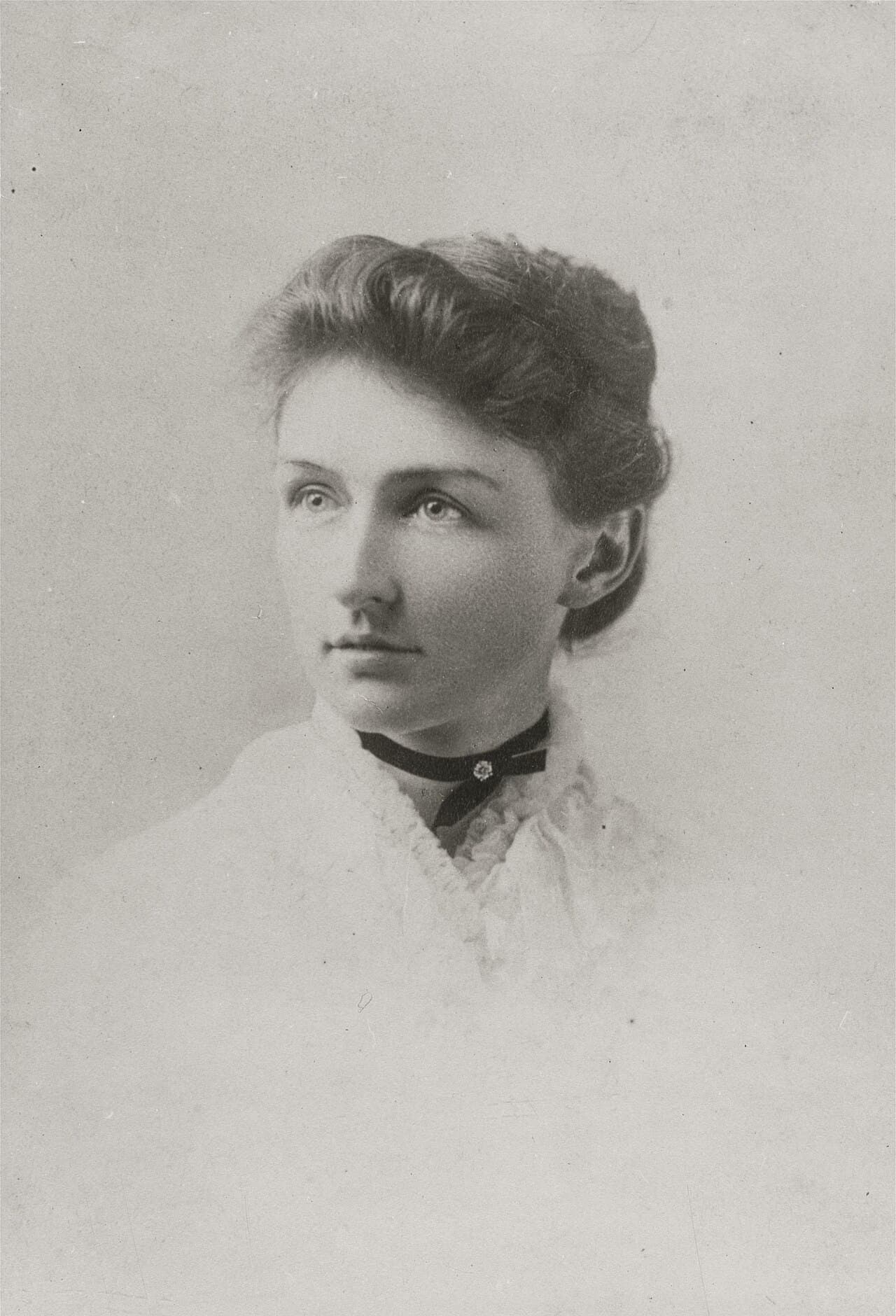
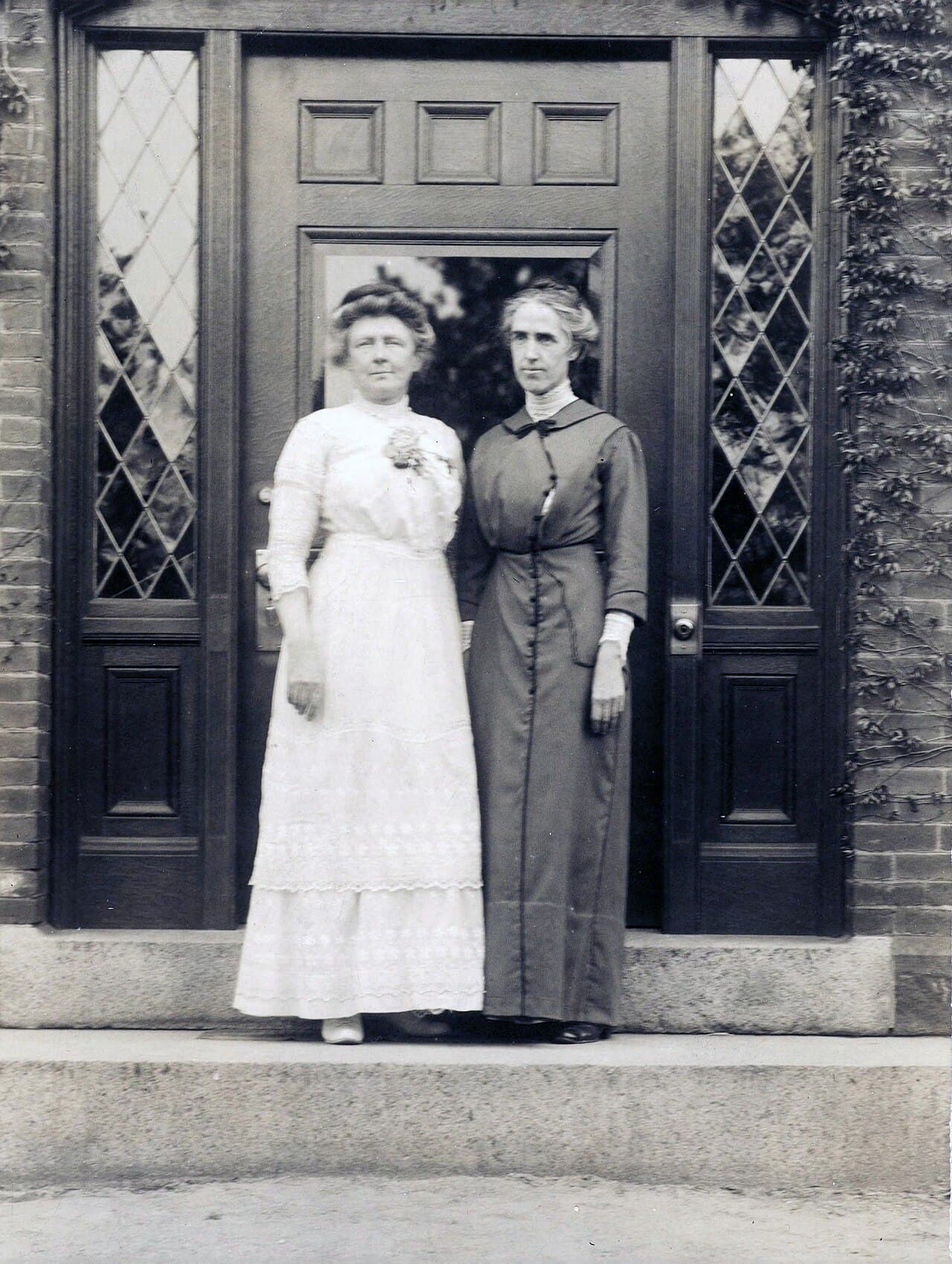
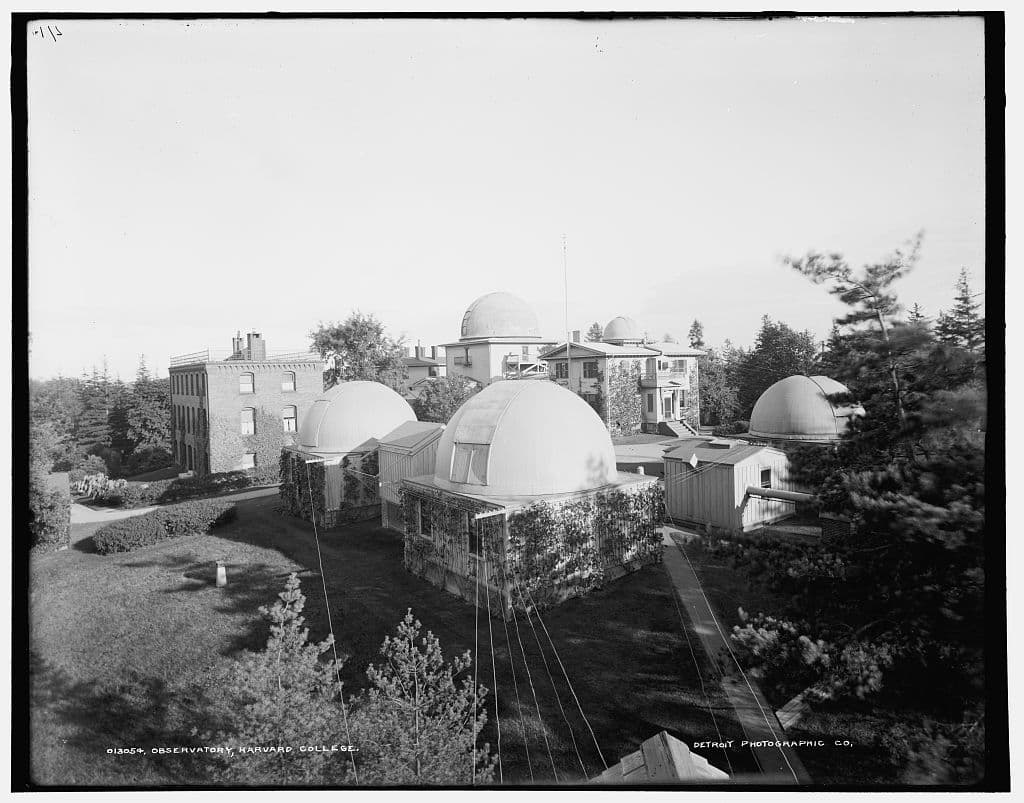
She classified more stars than anyone who has ever lived, and the system she built is still the one astronomers use. It is not named after her. Annie Jump Cannon was born in Dover, Delaware on 11 December 1863, the daughter of a shipbuilder and state senator. She learned the constellations from the roof of her father's house, and there is a Delaware state marker at 31 South State Street that says so. She went to Wellesley, took a degree in physics, and in 1896 joined the Harvard College Observatory as one of the women hired to do the arithmetic of astronomy. They were called computers, because at the time that is what the word meant. Collectively they were sometimes called Pickering's Women, after the director, and sometimes something considerably worse. They were paid between twenty-five and fifty cents an hour, six days a week, roughly half what a man got and about what an unskilled labourer earned. Several of them held astronomy degrees. Some worked unpaid to get through the door at all. Pickering had noticed that the women he hired were better at the work than the men and that he could have them for a fraction of the cost. The Smithsonian's own archives say that in almost exactly those words. The work was measuring photographic plates of stellar spectra and sorting what was on them. Williamina Fleming, who had been Pickering's maid, built the first scheme, lettering stars A through Q by the strength of their hydrogen lines. Antonia Maury built a more detailed one and made the crucial move of putting what we now call B ahead of A. Pickering disliked her system and refused to use it, and she left. Of an earlier attempt to take the work off her she had written: "I do not think it is fair that I should pass the work into other hands until it can stand as work done by me." What Cannon did, in 1901, was throw out most of the letters and keep seven, O B A F G K M, in an order that turned out to correspond to temperature. In 1912 she added the decimal subdivisions. The International Astronomical Union adopted the whole thing in 1922 and it has barely changed since. Every astronomy student still learns the mnemonic for it. How many stars she classified is not settled, and the range is wide. The Henry Draper Catalogue, nine volumes published between 1918 and 1924, holds 225,300. Add the extensions she worked on and the arithmetic supports something near 275,000. The Delaware state marker says over 300,000. The University of Delaware's marker at Cannon Hall says 350,000, and so does most of the internet, but that figure traces back through Wikipedia to an outreach website rather than to any catalogue or archive. She is also said to have classified three stars a minute. The only contemporary evidence we could find is a newspaper report from 1913 giving two hundred an hour, which is roughly the same claim from a very much better source. She was deaf. Nearly every account attributes it to scarlet fever and nearly every account hedges. Wikipedia says "often attributed," and dates it both to her Wellesley years and to after 1893, which cannot both be true. The Dictionary of Scientific Biography, Harvard and the Delaware marker all state the deafness and decline to state a cause. We could not find a document either. The honours came slowly and sideways. Honorary membership of the Royal Astronomical Society in 1914, honorary because women could not be fellows. An honorary doctorate from Groningen in 1921. In 1925 she became the first woman to take an honorary doctorate of science from Oxford. In 1931 she was the first woman awarded the National Academy of Sciences' Henry Draper Medal. Harvard gave her an actual appointment in 1938, William C. Bond Astronomer, when she was seventy-four years old and forty-two years into the job. Harvard did not promote a woman to full professor from within until 1956, fifteen years after she was dead. And the system is called the Harvard classification. Not the Cannon classification. She died in Cambridge on 13 April 1941. The prize the American Astronomical Society gives in her name goes to a woman astronomer within five years of her doctorate, which is roughly where Annie Cannon was when she started counting. If you have ever looked at O B A F G K M and not wondered who put them in that order, now you know. If you know more than we do, add it here. Compiled by MyHistoryStone from the Harvard College Observatory Plate Stacks, the Smithsonian Institution Archives, the National Academy of Sciences, the American Astronomical Society, the Dictionary of Scientific Biography, and the Delaware state historical markers at Dover and Newark.
Share a memory
Leave a memory or a message for the family. What you write appears right away, and the family can remove any entry.
Loading messages...