 Home
Home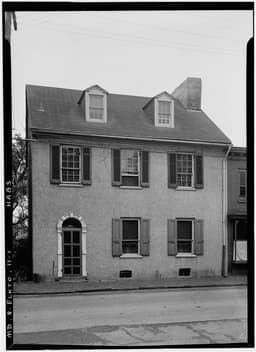
The Wedding of
The Honeymoon Express to Elkton
MyHistoryStone Archive
In motion
4 photographs
The photographs on this page, brought to life.
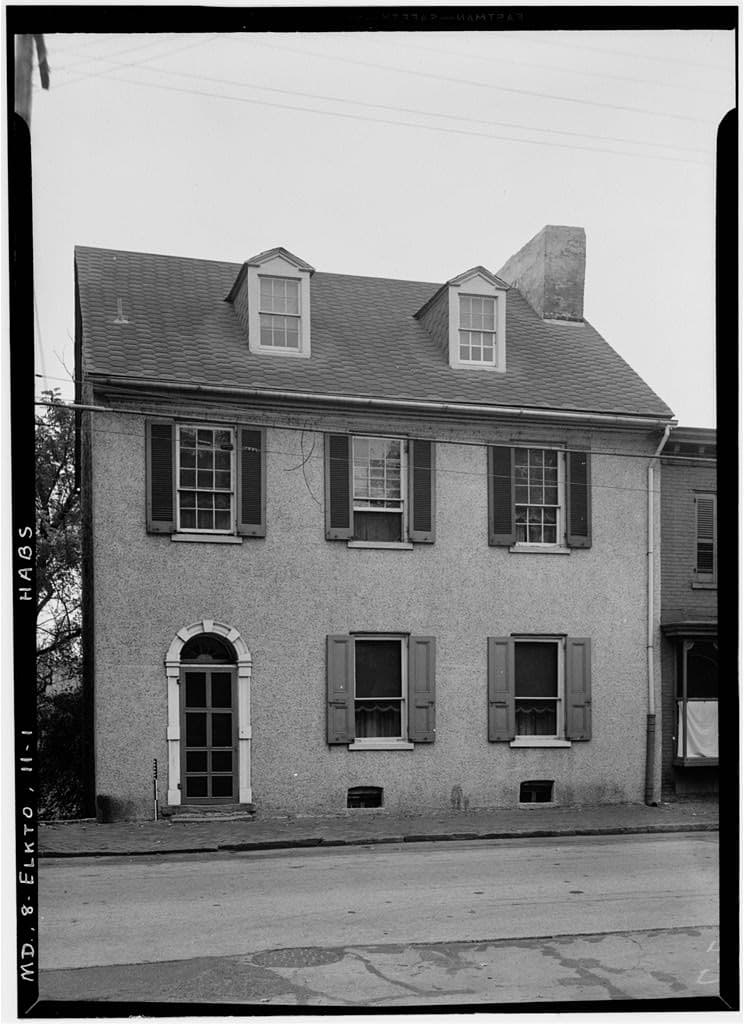
142 Main Street, recorded by the federal survey in October 1936 under its other name, the Wedding Chapel. E. H. Pickering, Historic American Buildings Survey. Library of Congress.
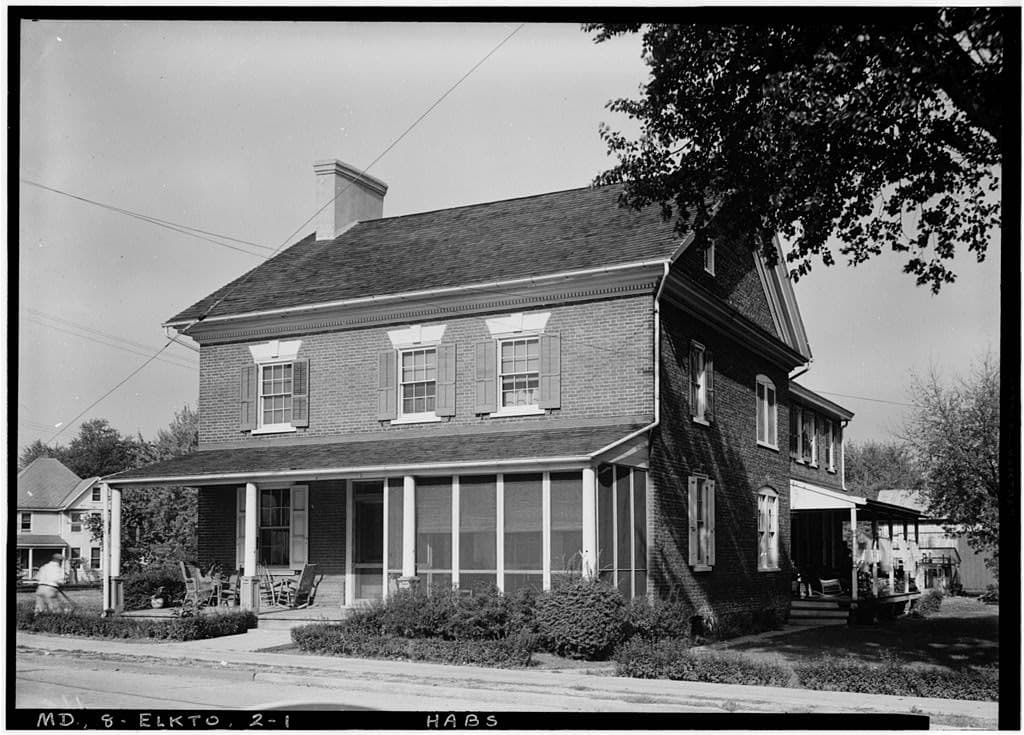
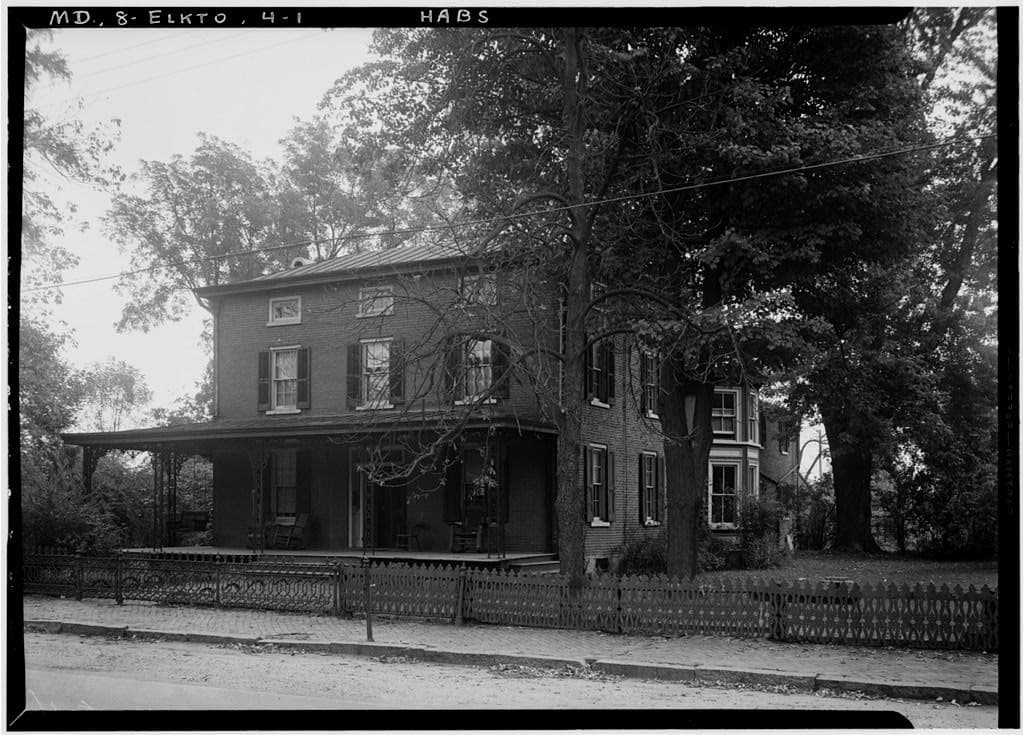
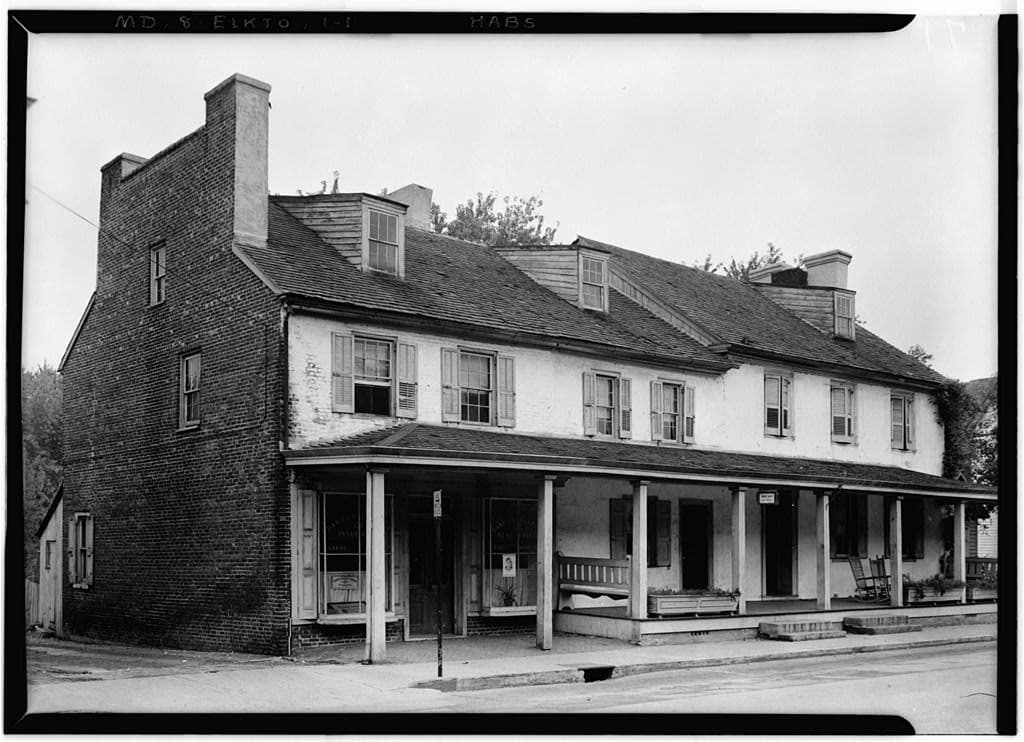
For twenty-five years, a town of three thousand people married the whole Northeast. Around 1913 the northern states began requiring couples to wait before they could marry. Maryland did not. Elkton was the first county seat south of the state line, which put it inside a short train ride of Philadelphia, New York and most of New England, and the marriage business arrived almost overnight. The town had been performing something over a hundred ceremonies a year at the turn of the century. The trains were called the Honeymoon Express, and they came in several times a day. Cab drivers met them at the depot. The drivers employed the ministers — the marrying parsons, who kept parlors along Main Street and competed hard for the arriving couples. A Baltimore reporter in 1920 wrote that the parsons were doing one marriage every fifteen minutes. Another wrote that twelve minutes and a few dollars were all it took, and that the twelve minutes were not strictly necessary. In 1936 the county issued 11,791 marriage licenses in a place where about 250 ceremonies would otherwise have been expected. In 1937, the last full year, the number was 16,054. The town's population was about 3,300. Maryland passed a forty-eight hour waiting period in 1937. Opponents forced it to a vote and it passed anyway, taking effect in December 1938. The month-by-month collapse is in the record: 2,344 marriages in October 1938, 1,843 in November, 277 in December. Two-thirds of the business was gone. The Reverend J. T. Baker, who had worked the overnight shift, told a reporter he would go on preaching and burying the dead and visiting the sick just the same as always. Elkton kept marrying people for another eighty years. The last commercial wedding chapel closed in 2017. If your parents or grandparents were married at Elkton, we would like the date and the chapel. Add it below. Compiled by MyHistoryStone from published reference sources, August 2026. Corrections welcome.
Share a memory
Leave a memory or a message for the family. What you write appears right away, and the family can remove any entry.
Loading messages...