 Home
Home
A Tribute to
Kennecott, Alaska
MyHistoryStone Archive
1909 – November 10, 1938
Kennecott, Alaska, United States · 29 years
Worked At
Kennecott, Alaska
In motion
4 photographs
The photographs on this page, brought to life.
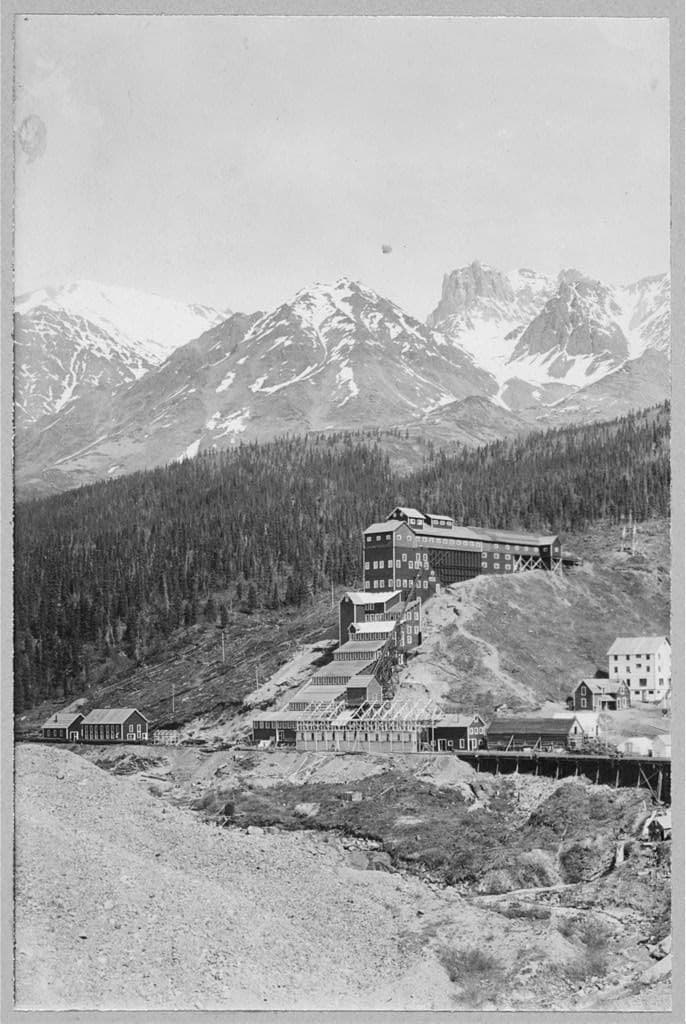
The Kennecott mill below Bonanza Peak, photographed between about 1900 and 1920. Frank and Frances Carpenter Collection. Library of Congress.
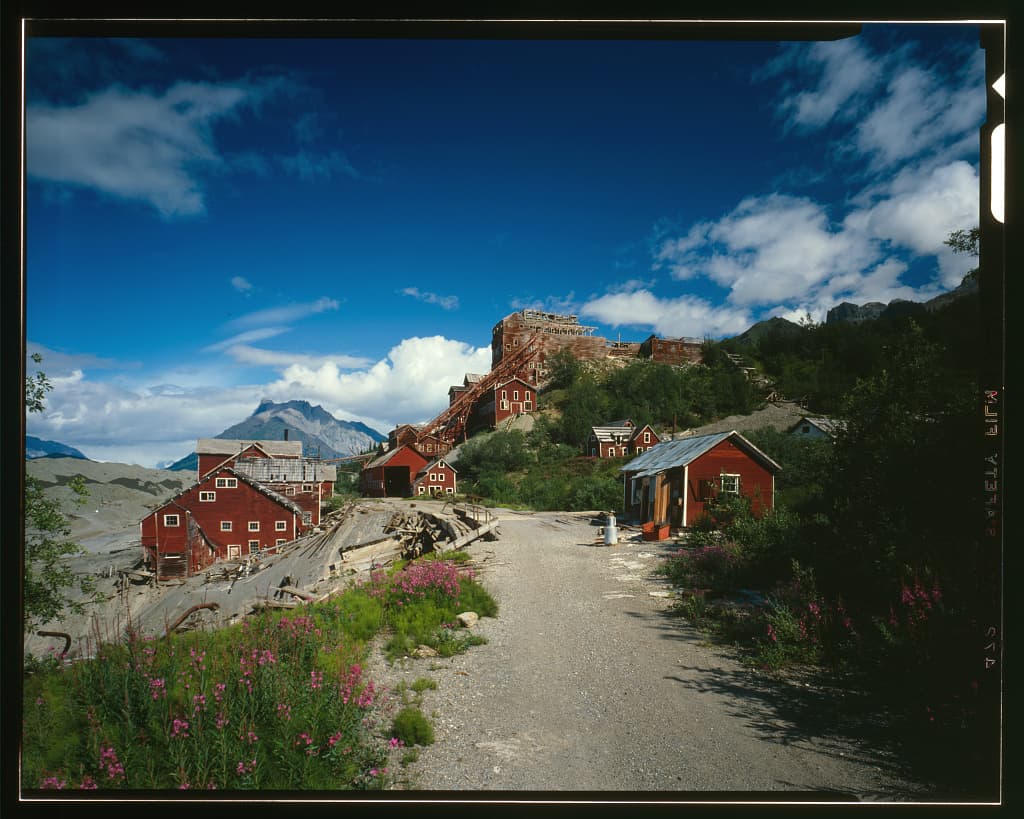
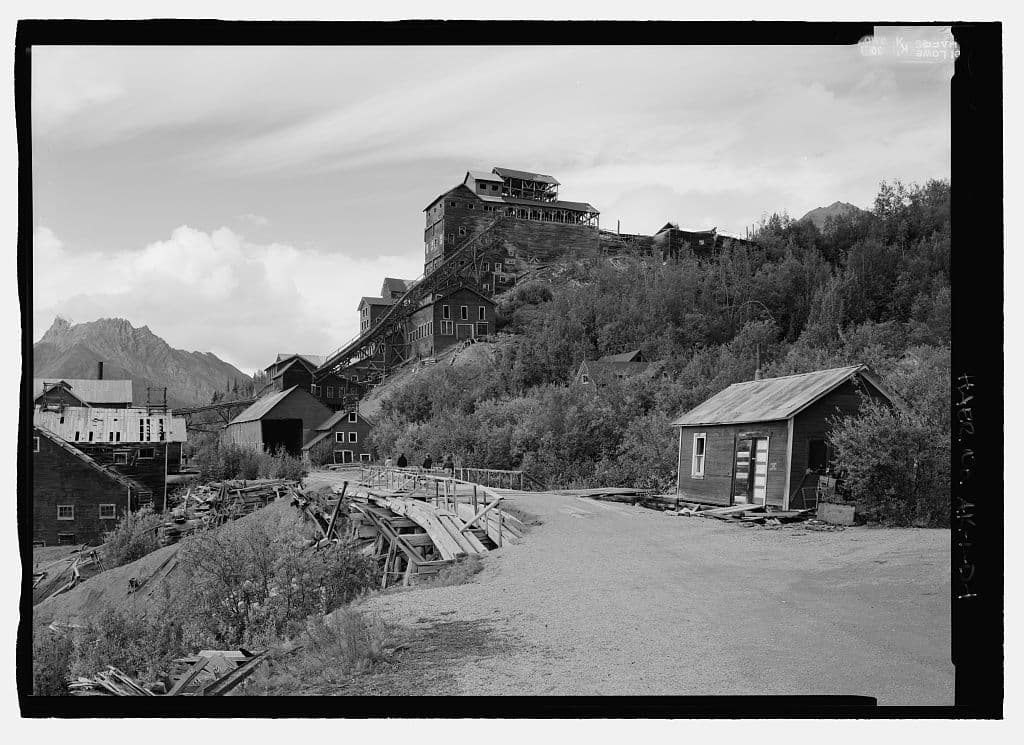
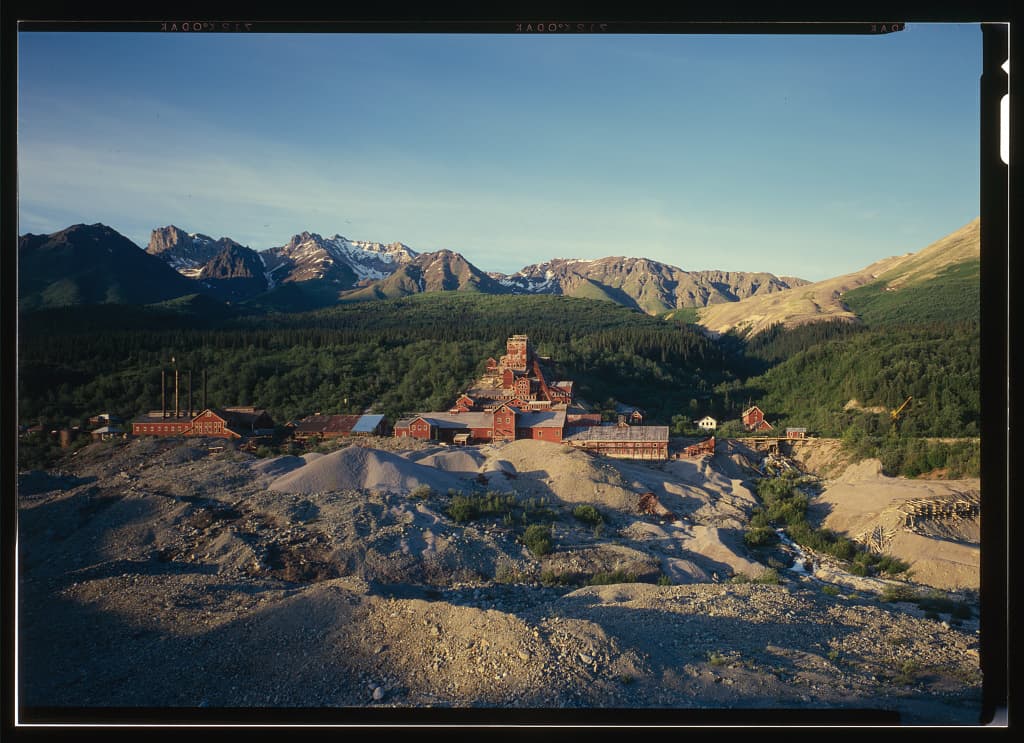
The last train left Kennecott on the tenth of November 1938, and everyone still there got on it. For twenty-nine years this camp in the Alaskan mountains pulled copper out of five mines. The first ore was extraordinary — seventy-two percent copper, with eighteen ounces of silver in every ton — and in the peak year of 1916 the mines produced thirty-two million dollars' worth. Across the life of the operation, gross revenues passed two hundred million dollars and profit passed a hundred million. The ore went out on a railway that ran a hundred and ninety-six miles to the coast at Cordova. A geologist had told them in 1925 roughly when the good ore would run out, and he was about right. The mines closed one after another through 1938 — Mother Lode in July, then Erie, Jumbo and Bonanza in September — and then the railway stopped, and that was the end of it. The fourteen-storey concentration mill is still standing. It is a National Historic Landmark now, inside Wrangell–St. Elias National Park, and you get to it by air or by driving the McCarthy Road and walking the last four and a half miles. Somebody's grandfather worked there. If that is your family, add what you know below. Compiled by MyHistoryStone from published reference sources, August 2026. Corrections welcome.
Add to this story
Know something about Kennecott, Alaska? Add it here - a memory, a detail, a correction. What you write appears right away, and the page owner can remove any entry.
Loading messages...