 Home
Home
A Tribute to
The Pony Express
MyHistoryStone Archive
April 3, 1860 – October 26, 1861
St. Joseph, Missouri, United States · 1 year
Worked At
St. Joseph, Missouri to Sacramento, California
In motion
4 photographs
The photographs on this page, brought to life.
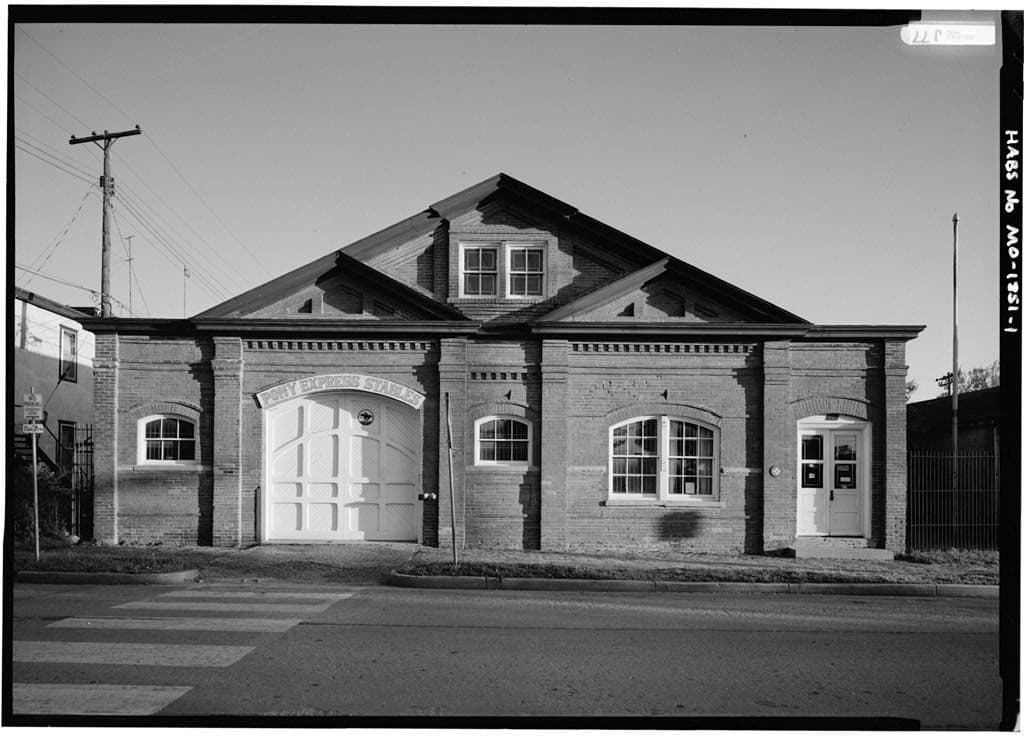
The Pony Express stables on Penn Street, St. Joseph, in a later survey photograph. Historic American Buildings Survey. Library of Congress.
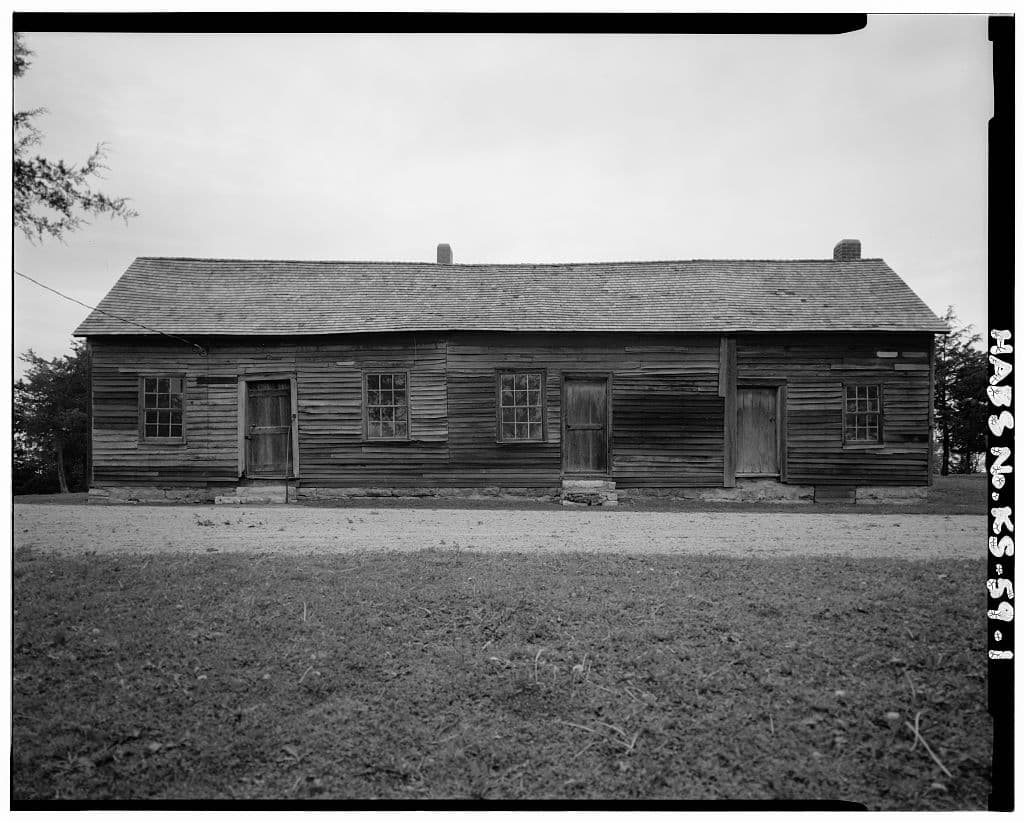
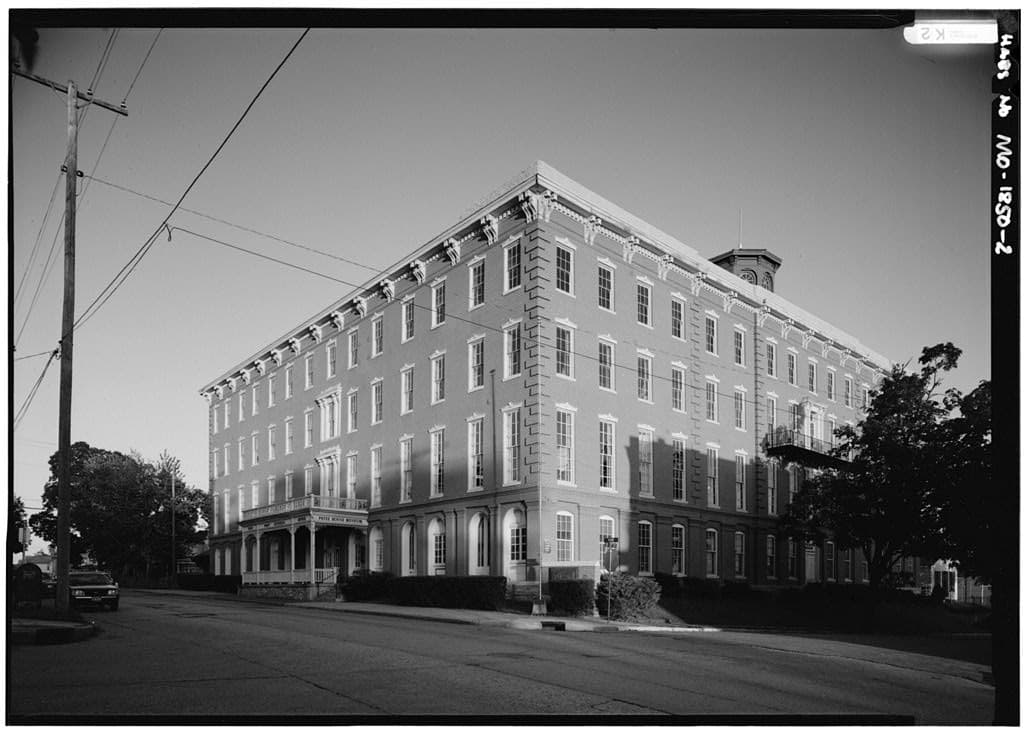
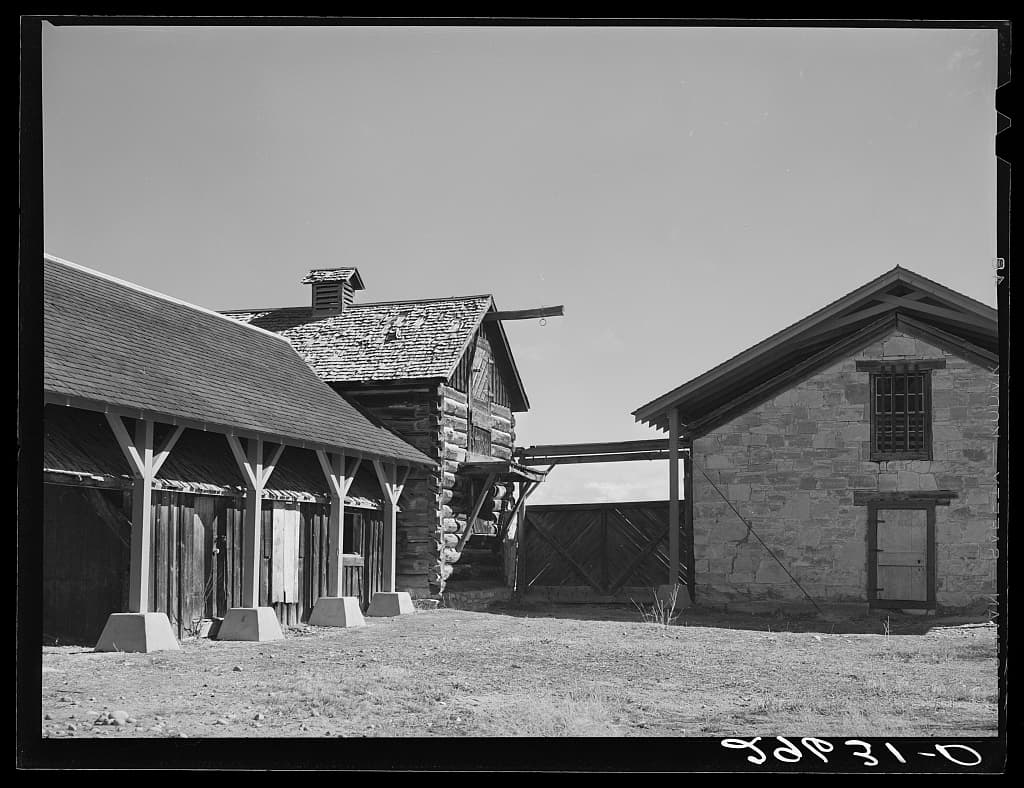
The Pony Express ran for eighteen months, lost money on every letter it carried, and is remembered better than almost anything else in the American West. Eighty riders and about a hundred and ninety stations moved mail nineteen hundred miles between St. Joseph, Missouri and Sacramento, California, in roughly ten days. A half-ounce letter cost five dollars at the start, two hundred and fifty times ordinary postage, and even at that price the company grossed ninety thousand dollars and lost two hundred thousand. Riders earned a hundred and twenty-five dollars a month, which was a great deal of money, and were not allowed to weigh more than a hundred and twenty-five pounds. Every one of them had to sign an oath swearing off liquor and profanity. It ended on the twenty-sixth of October 1861, two days after the transcontinental telegraph reached Salt Lake City. There was no decline and no argument. The thing was simply obsolete overnight. One detail is worth separating from the legend. The famous advertisement asking for young skinny wiry fellows, orphans preferred, appears to be a later invention — there is no record of it before 1902. Roughly two hundred and fifty pieces of Pony Express mail are known to survive. If a rider or a station keeper is somewhere in your family, add what you have below. Compiled by MyHistoryStone from published reference sources, August 2026. Corrections welcome.
Add to this story
Know something about The Pony Express? Add it here - a memory, a detail, a correction. What you write appears right away, and the page owner can remove any entry.
Loading messages...